
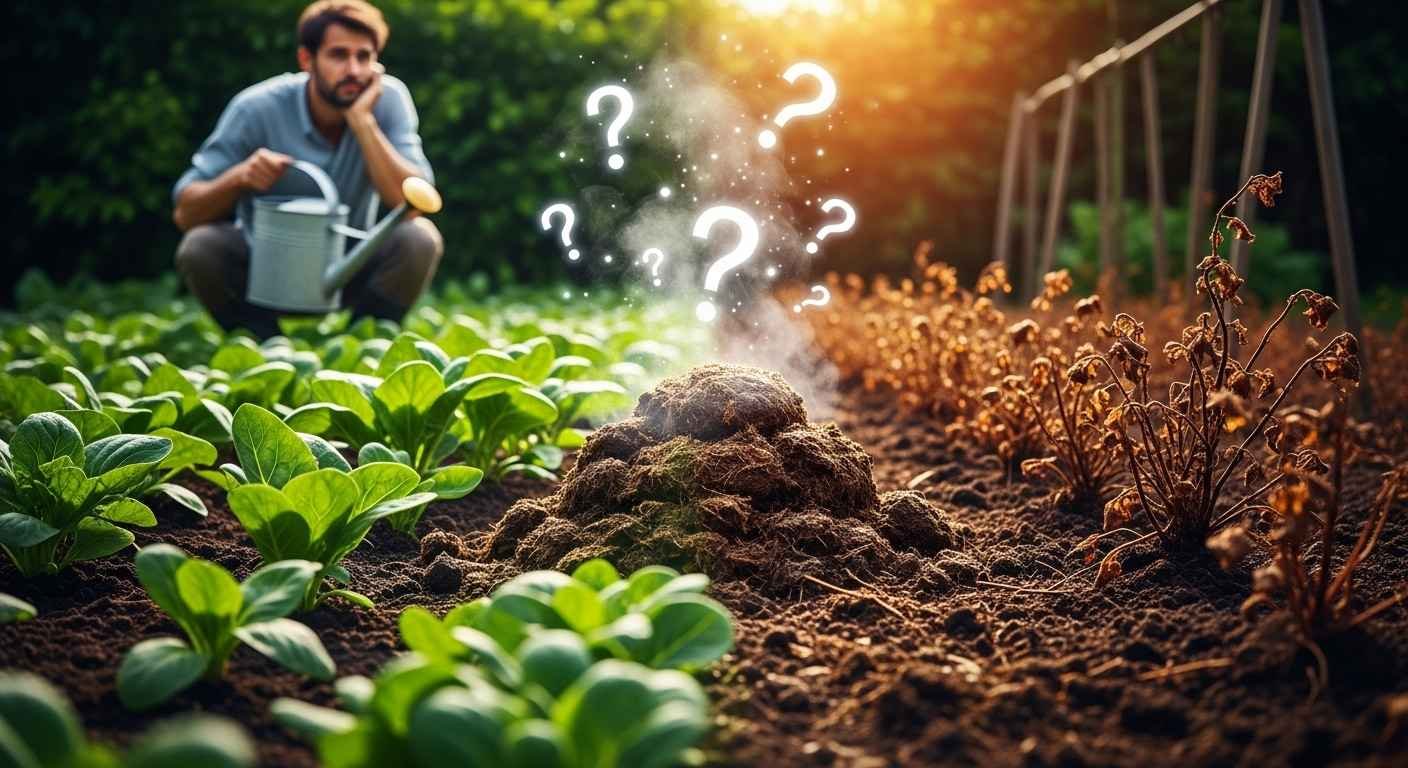
Do you feel like you are losing the battle with your garden soil? You buy expensive dirt from the store. You water your plants every single day. Yet, your flowers still look tired and thin. You might have heard that “horseplop” is the magic answer for a green yard. People tell you it is the best food for growing big vegetables. But then you see a neighbor’s garden turn yellow and die after using it. Now you are confused and a little scared to try it yourself.
I know how it feels to want a beautiful yard but fear making a big mistake. It is frustrating to spend hours working only to have your plants wilt. You are likely worried about the bad smell or making your family sick with hidden germs. You might even wonder if horse waste is actually a dangerous thing to have near your home. These are real problems that keep many good people from having the lush garden of their dreams.
The truth is that horseplop can be a gold mine or a total disaster for your land. It all depends on what you know before you start digging. Most people just toss it on the ground and hope for the best. That is the wrong way to do it. If you want to stop the guessing game, you need to see the facts. Let’s look at what is really happening inside that pile of manure.
Understanding the True Nature of Horseplop
Horseplop is a playful name for horse manure. It is a mix of what the horse eats and the materials used in its stall. This usually includes grass, hay, and wood shavings or straw bedding. To a farmer, this is not just waste. It is a bundle of energy and life for the earth. Horses have a unique way of eating that makes their waste very special for soil.
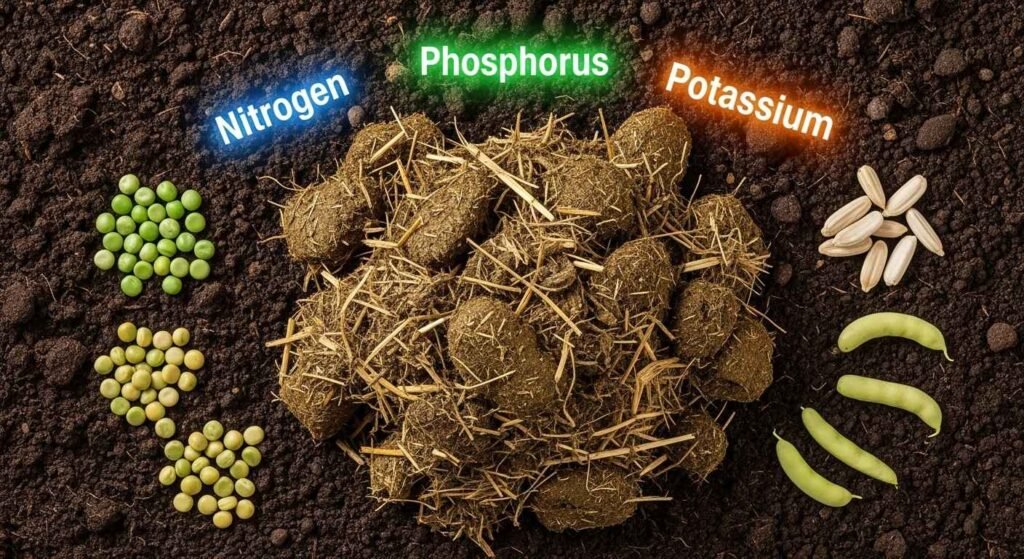
Horses do not digest their food as well as cows or sheep do. Their stomachs move quickly. This means their waste still has a lot of good material left inside it. It is full of things like nitrogen, phosphorus, and potassium. These are the main ingredients in the chemical plant food you buy at the store. But since it comes from a horse, it is totally natural and organic.
When you put this material in your garden, you are adding tiny bits of organic matter. This matter acts like a sponge for your dirt. It helps sandy soil hold onto water so you do not have to water as often. It also helps heavy clay soil stay loose so roots can grow deep and strong. This balance is what makes plants look healthy and bright.
Why Your Plants Might Be Dying Instead of Growing
The biggest secret nobody tells you is that fresh manure is very “hot.” This does not mean it is warm to the touch like a stove. It means it has a very high amount of ammonia and salts. If you put fresh horseplop right on your rose bushes, it will burn the tender roots. This is why some gardens turn brown and crispy right after they are fed.
Another hidden truth is something called the “nitrogen robbery.” If the manure has a lot of wood shavings in it, the soil has to work very hard. The tiny bugs in the dirt have to eat the wood to break it down. To do this, they need to use up all the nitrogen in the area. They steal this food away from your plants to finish their job. This leaves your plants hungry and very weak.
You might think you are feeding your garden, but you are actually taking its food away. This is a common mistake that breaks the hearts of many new gardeners. You must understand the balance between the poop and the bedding. If you see too much wood or straw, you know the soil will have a hard time. This is why letting the pile rest is the most important step of all.
The Silent Danger of Modern Weed Killers
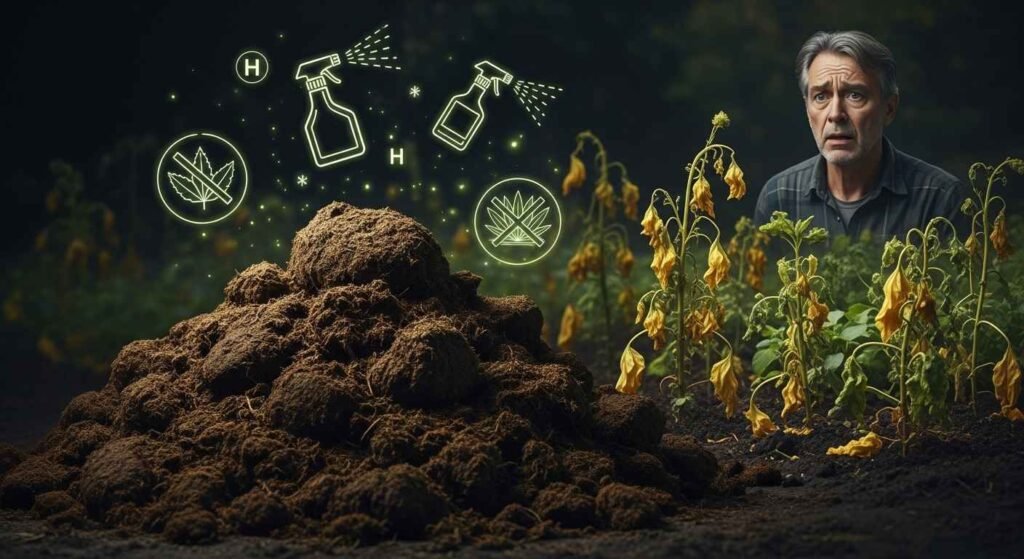
You might be a very careful gardener who uses no chemicals at all. But did you know horseplop can bring strong chemicals into your yard without you knowing? Some farmers spray their hay fields with powerful weed killers to keep the grass clean. These chemicals are designed to stay alive for a very long time. They do not disappear when the horse eats the hay.
These chemicals stay active even after the waste sits in a pile for many months. If you use this tainted manure on your tomatoes or beans, they might grow twisted and strange. They may never grow any fruit at all. This is a huge pain for people who want to grow their own organic food. It can ruin a whole season of hard work in just one day.
To stay safe, you must always ask the horse owner what the animals are eating. Ask if the hay was sprayed with persistent herbicides. If they do not know the answer, it is better to be safe than sorry. You should only use the manure for grass or flowers instead of food. This is the shocking truth that ruins many backyard farms every single year.
How to Turn Waste Into Black Gold Safely
You do not have to be afraid of horseplop if you use the “wait and see” method. The best way to use it is to let it rot in a controlled way. This is called composting. When you let the pile sit, millions of tiny good bugs go to work. They eat the waste and turn it into something beautiful. They turn the smelly waste into dark, rich soil.
A good compost pile needs to get very hot in the middle. This heat is a great thing because it acts like a cleaner. It kills any weed seeds that the horse ate so you do not get a yard full of weeds. It also kills the bad germs that could make humans or pets sick. Once the pile is cool and smells like the woods, it is ready for your garden.
Experts call this finished material “Black Gold” because it is so valuable. It does not look like poop anymore. It looks like the finest dirt you can buy. It is safe to touch and safe for every plant you own. Taking the time to wait for the compost to finish is the secret to a prize-winning garden. It turns a scary waste product into a source of pure life for your land.
Keeping Your Family and Pets Safe
Health is the most important thing for any home. Fresh horseplop can have germs like E. coli or tiny parasites inside it. This is why you should never handle fresh manure with your bare hands. Always wear thick gloves and boots when you are moving the material. You must also wash your hands very well with soap after you are done.
If you have small children or dogs, keep them away from the fresh manure piles. The smell can attract flies and other pests that carry diseases. The germs in fresh waste are not good for little ones who might put their hands in their mouths. Once the manure is fully rotted and mixed deep into the dirt, these risks go away completely.
You should also be careful about where you put your compost pile. Do not build it right next to a well or a stream. When it rains, the water can carry the “juice” from the manure into the water supply. This can cause pollution and make the water unsafe to drink. Keep the pile on flat ground away from water sources to stay a good neighbor and a safe gardener.
Better Soil Without the Big Price Tag
Buying big bags of dirt and fertilizer at the store is very expensive. It can cost hundreds of dollars to fill a few garden beds. Horseplop is usually totally free for anyone who can haul it away. Most horse owners have way too much of it and are happy to give it to you. This is a great way to save money while making your yard look like a professional did the work.
By using this natural resource, you are also helping the planet. You are recycling something that would otherwise just sit in a landfill. You are closing the loop of nature by putting nutrients back into the ground where they belong. This makes the earth stronger and helps your local ecosystem stay healthy. It is a win for you and a win for nature.
Rich soil made with horseplop holds onto water much better than plain dirt. This means your water bill will be lower in the hot summer months. It also makes the dirt very soft and easy to dig with a small shovel. Your plants will have deep, happy roots and bright green leaves. This is the reward for learning the truth and doing the work the right way.
Understanding the Microbial Life in the Pile
Inside every pile of horseplop, there is a tiny world of living things. These are called microbes. These little workers are the ones doing all the heavy lifting for your garden. They break down the tough fibers in the hay and turn them into food that plants can actually eat. Without these microbes, the manure would just sit there forever and do nothing.
These good bugs need three things to stay happy: food, water, and air. This is why a good gardener will turn their manure pile with a pitchfork once a week. When you move the pile, you let fresh air into the middle. This helps the microbes breathe and work faster. If the pile gets too dry, you can sprinkle it with a little water to keep the process moving.
When the microbes are happy, they create heat as they eat. If you see steam coming off your pile on a cold morning, that is a great sign! It means the “cook” is happening perfectly. This natural process is like a slow-burning fire that cleans and prepares the food for your flowers. It is nature’s way of making sure the ground stays fertile for thousands of years.
The Difference Between Horse and Cow Manure
Many people wonder if horseplop is better than cow manure. Cows have four parts to their stomachs. They chew their food over and over again. Because of this, cow manure is very smooth and has very few weed seeds left in it. However, it can also be very wet and heavy. It can be hard to move around and might not have as much air in it.
Horse manure is much lighter and has more fiber. This makes it better for fixing “tight” soil that feels like a brick. Because horses do not chew as thoroughly, you will see more grass and hay bits in their waste. This is why composting horseplop is more important than composting cow waste. You have to kill those extra seeds so your garden stays clean of weeds.
Both are good for the earth, but horseplop is often easier to find for free. Many people keep horses as pets in small towns, while cows are usually kept on big farms far away. If you can get your hands on horse waste, do not worry about it being “lesser.” With a little bit of time and heat, it will perform just as well as any other fertilizer in the world.
Why Seasonal Timing Matters for Your Soil
You should not put horseplop on your garden at just any time of the year. The best time to add it to your dirt is in the late fall or early winter. When you put it down then, you give it many months to settle into the ground. The snow and rain will help wash the nutrients deep down where the roots can find them in the spring.
If you wait until the spring to put it down, make sure it is very old and dark. Putting manure down too close to planting time can be risky if it is not fully rotted. By planning ahead, you let nature do the hard work for you. The winter frost will help break up any big clumps of manure so the soil is smooth and ready for seeds in April or May.
Think of it like preparing a big meal. You do not wait until you are hungry to start cooking. You start early so everything is ready when it is time to eat. Your soil needs that same kind of preparation. Giving your garden a “winter coat” of horse compost is the best way to ensure a huge harvest when the sun comes back out.
How to Talk to Local Horse Owners
Finding a source of horseplop is easier than you think. Many people who own horses are desperate to get rid of the waste. They have to pay money to have it hauled away, so they love it when gardeners come to help. You can look at local online boards or just drive around rural areas and look for “Free Manure” signs.
When you talk to an owner, be polite and ask about their horses. Find out what kind of bedding they use in the stalls. Ask if the horses are healthy and if they have been given any strong medicines lately. Most owners are very proud of their animals and will be happy to tell you everything. This helps you know exactly what you are putting into your precious garden soil.
Bring your own shovel and sturdy bags or a small trailer. Make sure you cover the load with a tarp so it does not blow away on the road. Being clean and careful will make the horse owner happy to see you again. You might even make a new friend! This community connection is one of the best parts of being a local gardener.
Using Horseplop for Potted Plants
Can you use this material in small pots on your porch? Yes, but you must be even more careful. In a small pot, there is not much room for error. You should never use more than one part compost to four parts potting soil. If the mix is too strong, the plant will get “salt burn” and the leaves will turn brown at the edges.
Make sure the horseplop is sifted so there are no big chunks of wood or straw. Small pots need to drain water easily, and big clumps can block the holes in the bottom of the pot. When used correctly, it can make your porch flowers look like they belong in a magazine. They will be bigger, brighter, and stay alive longer through the heat of the summer.
This is a great trick for people who live in apartments but still want to grow things. You can go get a bucket of manure from a farm and have enough fertilizer for your whole balcony for a year. It is a cheap and easy way to bring a little bit of the farm into the city. Just remember to keep it well-mixed so your small plants stay happy and healthy.
Solving the Mystery of the Yellow Leaves
If you see yellow leaves on your plants after using horseplop, do not panic. This is a sign that something is out of balance. It could mean your soil is too wet. Manure holds onto water like a sponge. If you water your garden as much as you did before, the dirt might stay too soggy. This drowns the roots and makes the leaves turn pale.
Try waiting an extra day between waterings and see if the color comes back. If the plants still look pale, they might need a quick boost. You can fix this by adding a little bit of liquid plant food from the store just once. This helps the plants stay strong while the manure finishes its job of fixing the soil. Learning to read these signals is what makes you an expert gardener.
Once you solve these small problems, the garden will take off. You will see a “growth spurt” that will amaze you. The leaves will turn a deep, dark green and the stems will get thick and sturdy. This is the sign that the horseplop has finally started to work its magic. It is a wonderful feeling to see your garden recover and thrive.
Tools of the Trade for Handling Manure
To handle horseplop correctly, you need the right tools. A standard garden shovel is okay, but a pitchfork with many thin tines is much better. This tool is often called a “manure fork.” It lets you lift the clumps of waste while letting the loose dirt fall through. This makes it much easier to move large piles without getting tired too quickly.
You also need a sturdy wheelbarrow. Since horse waste can be heavy and wet, a cheap plastic one might break. Look for a metal wheelbarrow or one made of thick, heavy-duty plastic. Having good tires will make it easy to roll over the bumpy grass in your yard. Using the right tools shows your experience and makes the work feel like a fun hobby instead of a hard chore.
How to Store Horseplop for the Winter
If you get a large load of horseplop in the autumn, you must store it well. You do not want the rain to wash all the good nutrients away into the street. The best way to store it is to pile it up high and cover it with a dark tarp. Use heavy stones or bricks to hold the edges of the tarp down so the wind does not blow it away.
The tarp does two great things. First, it keeps the pile dry so it does not turn into a stinky mud pit. Second, the dark color of the tarp sucks up heat from the sun. This keeps the microbes inside the pile warm so they can keep working even when it is cold outside. By spring, you will have a pile of perfect dirt ready for your seeds.
Do Different Horse Breeds Make Different Waste?
You might wonder if the size of the horse matters. A tiny pony eats much less than a giant draft horse. However, the waste from a pony is often very rich because they digest their food slowly. A massive horse eats a lot of hay, so their waste has more fiber. Both are great, but the draft horse manure is better if you have very hard, clay soil.
The diet of the horse is also key. A horse that only eats grass will have different waste than a horse that eats a lot of grain. Grain-fed horses produce manure that is very high in energy for your plants. No matter the breed, the most important thing is that the animal is healthy. Great manure comes from happy horses that live a good life.
The Long-Term Benefits for the Land
Using horseplop is not just a quick fix for one season. It actually changes the earth for many years to come. Every time you add organic matter, you are building up the “bank account” of your soil. The dirt becomes more alive with every passing year. You will notice more birds in your yard because there are more worms and bugs for them to eat.
Healthy soil also protects the environment. It keeps dust from blowing away in the wind and prevents mud from washing away in the rain. By taking care of your small patch of land, you are doing your part to keep the whole world green. It is a beautiful cycle of life that starts with something as simple as a pile of horse waste.
You are now a person who knows the “shocking truth.” You know that horseplop is not a nuisance, but a gift. You know how to handle the risks and how to unlock the rewards. Your garden is no longer a place of frustration. It is a place of peace, beauty, and success. You have the knowledge to grow anything you want, and the dirt under your fingernails is proof of your hard work.
Five Common Questions About Horseplop
Is it okay to use horseplop that has been sitting in a field for a year?
Yes, that is actually some of the best manure you can find! When it sits in a field, the sun and rain do the work of composting for you. It is usually very safe and ready to put right on your plants. Just make sure it does not have too many fresh weeds growing out of it.
Will horseplop attract rats or mice to my yard?
Manure itself does not usually attract rats because they do not eat it. However, if there is a lot of leftover grain or corn in the manure, mice might come to look for a snack. Keep your compost pile tidy and do not add kitchen scraps like meat or cheese, and you should not have any problems with pests.
Can I use horseplop to make “manure tea”?
Yes, many gardeners love manure tea. You put a scoop of rotted manure in a bucket of water and let it sit for a day. Then you pour the “tea” on your plants. This is a very fast way to give them food. Just be careful not to get any on the parts of the plants that you are going to eat later.
Why does my horseplop pile stay cold and not get hot?
If your pile is cold, it is usually too dry or too small. A pile needs to be at least three feet tall and three feet wide to hold onto heat. You should also make sure it stays as damp as a wrung-out sponge. If it is still cold, try adding some fresh green grass clippings to give the microbes more energy.
Can I use horse manure on my fruit trees?
Fruit trees love horseplop! It helps them grow strong branches and lots of fruit. The best way to use it is to spread it in a circle under the tree, but do not let the manure touch the trunk of the tree. This “donut” shape keeps the roots fed but keeps the bark safe from rot and bugs.
Disclaimer:
This content is for informational purposes only. Handling horse manure involves risks, including exposure to pathogens and potential plant damage from herbicides or improper application. Always wear protective gear and consult local agricultural guidelines. We are not liable for any personal injury, property loss, or crop failure resulting from the use of these methods. Success in gardening depends on individual variables and safety precautions.
You May Also Like: 7605×75 Revealed: The Shocking Truth Experts Don’t Tell You
For More Information, visit TryHardGuides.

Alex Taylor is a seasoned technology writer and systems specialist with over 5 years of experience in hardware maintenance and digital troubleshooting. He specializes in practical tech guides, focusing on making complex technical repairs and software optimization accessible to everyday users. Alex personally reviews and fact-checks every guide to ensure that maintenance tips are safe, effective, and budget-friendly. Whether it’s a hardware fix or a software setup, his work is driven by a passion for technical clarity and real-world utility.