
Last Updated: 22/April/2026
The news of the Ping Pong restaurant closures UK has left many regular diners looking for answers. Currently, all physical locations of this famous dim sum chain have shut down. This happened after the brand faced a long period of financial struggle. Many people want to know why a business that lasted 20 years suddenly vanished. The main reasons include high debts from the pandemic and rising costs of running a business in London. If you are a fan of their dumplings and tea, this guide explains what happened and where you can go now.
A Quick Timeline of the Ping Pong Brand
Understanding how the brand reached this point helps explain the current situation. Here is a clear timeline of the major events:
| Year | Event | Status |
| 2005 | First Ping Pong restaurant opens in London. | Active |
| 2020-2021 | Massive losses due to global pandemic lockdowns. | Struggling |
| 2022 | The company enters “pre-pack administration.” | Restructuring |
| 2024 | Introduction of the 15% “brand charge.” | Controversial |
| July 2025 | Final four restaurants in London close their doors. | Closed |
| Current | All trading has officially ceased. | Permanent |
Why the Ping Pong Restaurant Closures UK Happened
The fall of this dim sum giant did not happen overnight. It was a mix of bad luck and a very tough economy. There are three main reasons why the brand could no longer survive.
1. Massive Financial Debt
The company struggled for several years before the final shutdown. In one year alone, they lost over £1.4 million. While they tried to recover, the debt from the pandemic years was too high. They owed a lot of money to landlords for rent that was not paid during lockdowns. One landlord even asked for nearly £1 million at once. This made it impossible for the business to keep enough cash to pay its daily bills.
2. The Impact of Rising Costs
Everything in the hospitality industry is getting more expensive. For Ping Pong, the cost of electricity to keep their steamers running went up fast. The price of food ingredients from overseas also rose. At the same time, the national minimum wage increased. This added hundreds of thousands of pounds to their annual costs almost instantly. Because they could not raise their food prices too high, their profit margins simply disappeared.
3. The 15% Brand Charge Controversy
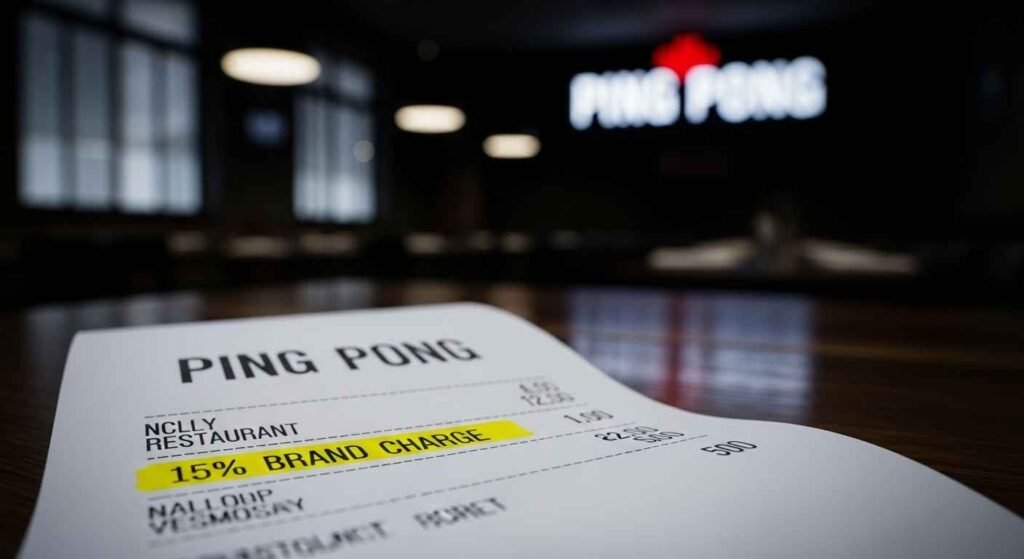
In the months before the closure, the brand made a move that hurt its reputation. They stopped card tips and added a 15% “brand charge” to every bill. They said this helped pay staff a higher wage. However, many customers felt this was a way to avoid new laws about tips. This led to negative news reports and caused many loyal fans to stop visiting.
The Tipping Law and Worker Rights
The latest laws in the UK, like the Employment Act, were made to protect staff. These rules ensure that workers get all the tips customers leave for them. Ping Pong tried to change their model to follow these rules, but the “brand charge” idea was not popular. The Unite union argued that this move took power away from the workers. This battle over tipping shows how hard it is for restaurants to manage staff costs while following new government rules.
Why Mid-Range Restaurants are Struggling Currently
The Ping Pong restaurant closures UK are part of a bigger trend. Many mid-tier chains are facing the same problems. These are restaurants that are not cheap fast food but are also not expensive luxury spots. Currently, families have less extra money to spend. They are choosing to eat at home or pick cheaper options. Large chains with big buildings in central London have the highest rent and taxes. When people stop visiting the city for work or shopping, these businesses lose their best customers.
Can You Still Get Ping Pong Dim Sum?
Many fans want to know if they can still enjoy their favorite dishes. The short answer is no. At present, there are no physical locations left in London or the rest of the UK. The central production kitchen has also stopped working. This means:
- You cannot order delivery through apps like Deliveroo or UberEats.
- The brand no longer sells home cooking kits.
- You cannot find their dumplings in supermarkets.
The business has completely stopped trading. All their social media messages confirmed that “it’s a wrap” for the brand.
Where to Eat Now: Top 5 Dim Sum Alternatives in London
Just because Ping Pong is gone does not mean you have to miss out on great dim sum. London still has many amazing places to eat. Here are five of the best alternatives available currently:
1. Din Tai Fung
This is a world-famous brand known for its “Xiao Long Bao” or soup dumplings. It is a bit more expensive, but the quality is very high. They have locations in places like Selfridges and Covent Garden.
2. Dumplings’ Legend
Located in the heart of Chinatown, this spot is perfect for those who like the traditional feel. It is busy, fast, and offers a huge variety of steamed and fried dumplings.
3. Bun House
If you loved the steamed buns at Ping Pong, you must try Bun House. They focus on fluffy, hot buns with different fillings like pork, chicken, or vegetables. It is affordable and very popular with locals.
4. Royal China
This is a great place for a traditional weekend brunch. They have several locations across London. It offers a classic experience with trolleys and a wide range of authentic Chinese tea.
5. Dim Sum Duck
For those who want high-quality food without a big brand name, this is a top choice. It is a smaller shop that focuses on fresh, handmade food. It is often called one of the best “hidden gems” in the city.
The Future of the High Street Without Ping Pong
The closure of this chain had a big human cost. Over 120 people lost their jobs when the last four sites shut down. Many of these workers had been with the company for years. Some reports show that staff were still owed wages and holiday pay during the administration process. This reminds us that when a big brand fails, it affects real people and their families.
The London food scene is always changing. While it is sad to see a 20-year-old brand go, new and smaller businesses are starting to take its place. These smaller restaurants often have lower costs and can adapt more quickly to the current economy. The legacy of Ping Pong is that it made dim sum popular for a whole new generation of diners.
Common Questions About Ping Pong Closures
Is Ping Pong coming back to the UK?
There are no current plans for the brand to return. The company has officially ceased trading and closed its production facilities. While someone could buy the name in the future, the original business is finished.
Who owned the Ping Pong restaurants?
The brand changed hands several times. It was originally started by Kurt Zdesar. Later, it was owned by investment groups and eventually went through a pre-pack administration deal led by its directors before the final shutdown.
What happened to the Ping Pong staff?
Most of the staff lost their roles when the locations closed in July. They were forced to look for new jobs in the hospitality industry. Some have faced delays in getting their final pay through the administration process.
Are there any locations still open in the UK?
No. Locations in Soho, Southbank, and other areas are all permanently closed. The windows are boarded up, and the signs have been removed.
Why did the delivery service stop?
The delivery service relied on a central kitchen to prepare the food. When the company ran out of money to pay for staff and energy, that kitchen had to close. Without the kitchen, they cannot fulfill any more orders.
Disclaimer:
This article is for your information only. All details about restaurant closures and money matters come from public news and official reports. Business situations can change very fast. This content is not financial or legal advice. We are an independent website and are not part of the Ping Pong brand. Please talk to a professional before making big financial choices.
You May Also Like:
Official Clearskinstudy Email Addresses and Contact Guide
Elevate Your Look: Best Trendy One-Piece Outfits for Women to Wear Now
For More Information, visit TryHardGuides.

Emma Rose is the founder of TryHardGuides.co.uk and a senior content strategist specializing in lifestyle, personal development, and digital entrepreneurship. With a focus on evidence-based living, she produces actionable content designed to help readers make informed life decisions and navigate the evolving tech-lifestyle landscape. As the editorial lead, Emma oversees the site’s mission to provide trustworthy, high-authority information. Her work reflects a commitment to personal growth, transparency, and the pursuit of a well-balanced, informed life.