
The American commute is undergoing a radical transformation as more people seek good electric bikes to replace their secondary vehicles. For decades, the morning ritual for millions was a predictable cycle of gridlock and rising gas prices, but in 2026, the narrative has shifted toward efficiency and personal freedom. Whether you are navigating the steep hills of San Francisco or the flat avenues of Chicago, choosing the right ride is no longer just about getting from point A to point B—it’s about safety, investment longevity, and reclaiming your morning.
As urban infrastructure expands and dedicated bike lanes become the norm, the versatility of a modern e bike has turned it into the ultimate “car-killer.” Beyond the environmental benefits, the move toward electric mobility is a practical financial strategy. With the average cost of new car ownership in the US now exceeding $12,000 per year, many commuters are finding that an electric drivetrain handles 80% of their daily trips for a fraction of the cost, all while improving their physical and mental well-being.
What Makes Good Electric Bikes?
When you start your search for good electric bikes, the spec sheets can feel like a foreign language. To make an informed decision, you first need to understand the U.S. Three-Class System, which dictates where and how fast you can legally ride:
- Class 1: Pedal-assist only; motor stops at 20 mph. These are legal almost everywhere bikes are allowed.
- Class 2: Includes a throttle (allowing you to cruise without pedaling) but tops out at 20 mph.
- Class 3: Pedal-assist only, but goes up to 28 mph. This is the gold standard for long-distance US commuters.
The heart of a high-quality ride is the motor. While budget-friendly hub motors (located in the wheel) are great for flat terrain, mid-drive motors (located at the pedals) offer a superior, balanced feel. They leverage your bike’s gears, making them significantly more efficient for climbing steep urban inclines.
Why the Revolution is Redefining the American Lifestyle
We have reached a cultural tipping point where the “car-light” lifestyle is moving from a fringe statement to a savvy financial strategy. Instead of being trapped in a steel box on the 405 or I-95, commuters are reclaiming their time. The ability to bypass congestion turns a stressful hour of stop-and-go traffic into twenty minutes of fresh air and low-impact movement.
The ROI isn’t just financial. Recent studies in 2026 suggest that e-commuters exercise more frequently than traditional cyclists because the “barrier to entry”—namely sweat and exhaustion—is removed. You get a low-impact aerobic workout that boosts your cardiovascular health and cognitive function, making you more productive at the office.
Finding Your “Ride Profile”: Which Commuter Are You?
There is no “one size fits all” in the cycling world. Your choice should be dictated by your living situation and your daily cargo needs.
The Urban Minimalist
If you live in a third-floor walk-up in Brooklyn or have limited office storage, weight is your enemy. Look for “stealth” models that weigh under 40 lbs and feature carbon belt drives. A belt drive is a game-changer for professionals; it’s virtually maintenance-free and won’t leave grease marks on your dress pants during your morning meeting.
The Multi-Modal Commuter
For those who live in the suburbs and take the train into the city, a high-quality folding frame is the ultimate “last-mile” solution. Modern folders no longer feel like flimsy toys; they offer stiff frames and 20-inch tires that can handle potholes while still tucking neatly under your desk.
The Cargo Hauler
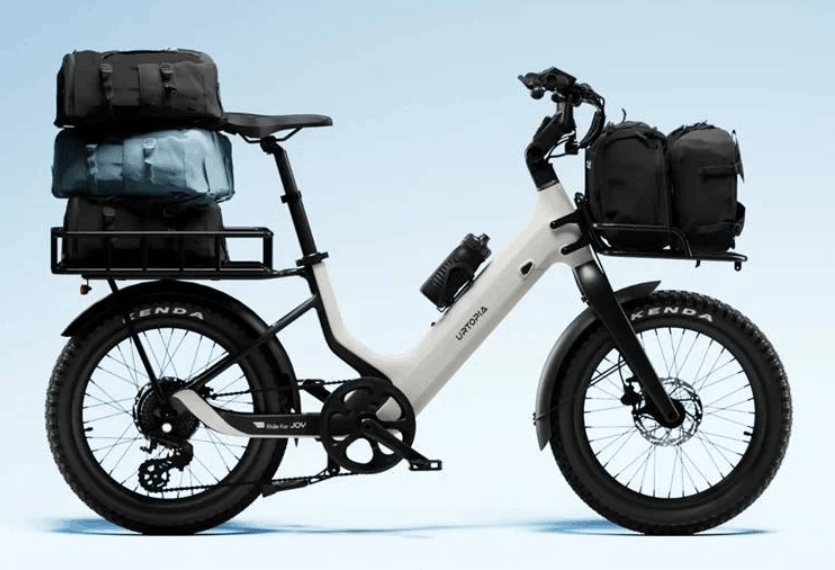
In many US suburbs, cargo bikes are replacing the second family SUV. With extended rear racks and heavy-duty kickstands, these “long-tails” can carry two kids or a week’s worth of groceries without breaking a sweat. If you’re hauling heavy loads, prioritize a bike with 4-piston hydraulic disc brakes for maximum stopping power.
Smart Tech: The Features That Make an eBike “Commuter-Grade”
In 2026, a bike is more than just a frame and wheels; it’s a connected device. Security is the number one concern for American riders, and the industry has responded with integrated tech. Look for models with built-in GPS tracking and remote lockdown capabilities. If someone moves your bike while you’re in the grocery store, your phone should alert you instantly.
Safety has also seen a massive upgrade. We are now seeing the integration of rear-facing radar systems (like Garmin Varia) that sync with your handlebars to warn you of vehicles approaching from behind. Integrated LED lighting—including brake lights and turn signals—is no longer an add-on; it is a vital necessity for navigating the dusk-and-dawn hours of winter commuting.
Cost vs. Value: Making a Smart Investment
It is tempting to grab a $700 “Amazon special,” but in the electric world, you truly get what you pay for. A cheaper bike often uses unbranded battery cells that lose capacity within six months and mechanical disc brakes that struggle to stop a heavy frame in the rain.
Think of this as a transportation investment. When you calculate the $2,500 for a reputable brand against the $8,000+ per year it costs to operate a car, the bike pays for itself in less than a year. You are investing in a UL 2849 Certified battery (the US safety standard for fire prevention) and a drivetrain that won’t fail you in traffic.
The “Hidden” Essentials: Maintenance and Local Support
The most critical component of your purchase is the Local Bike Shop (LBS) factor. Electric bikes require specialized software updates and battery health checks. Before buying, ensure the brand has a service partner in your zip code.
Additionally, don’t forget the logistics of daily riding. Must-have add-ons include:
- Waterproof Panniers: Don’t rely on a backpack; it leads to a “sweaty back” and fatigue.
- High-Quality U-Locks: Spend at least 10% of your bike’s value on security.
- Fenders: Essential for keeping road grime off your work clothes on damp mornings.
Conclusion
The future of commuting isn’t about flying cars; it’s about a two-wheeled revolution that is accessible right now. Choosing the right ride is an act of taking back control over your time, your health, and your wallet. When you find that perfect match, your morning routine stops being a chore to endure and becomes the highlight of your day.
You May Also Like: The Real Reason Some Custom Designs Look Clean and Others Look Compromised

Emma Rose is the founder of TryHardGuides.co.uk and a senior content strategist specializing in lifestyle, personal development, and digital entrepreneurship. With a focus on evidence-based living, she produces actionable content designed to help readers make informed life decisions and navigate the evolving tech-lifestyle landscape. As the editorial lead, Emma oversees the site’s mission to provide trustworthy, high-authority information. Her work reflects a commitment to personal growth, transparency, and the pursuit of a well-balanced, informed life.