
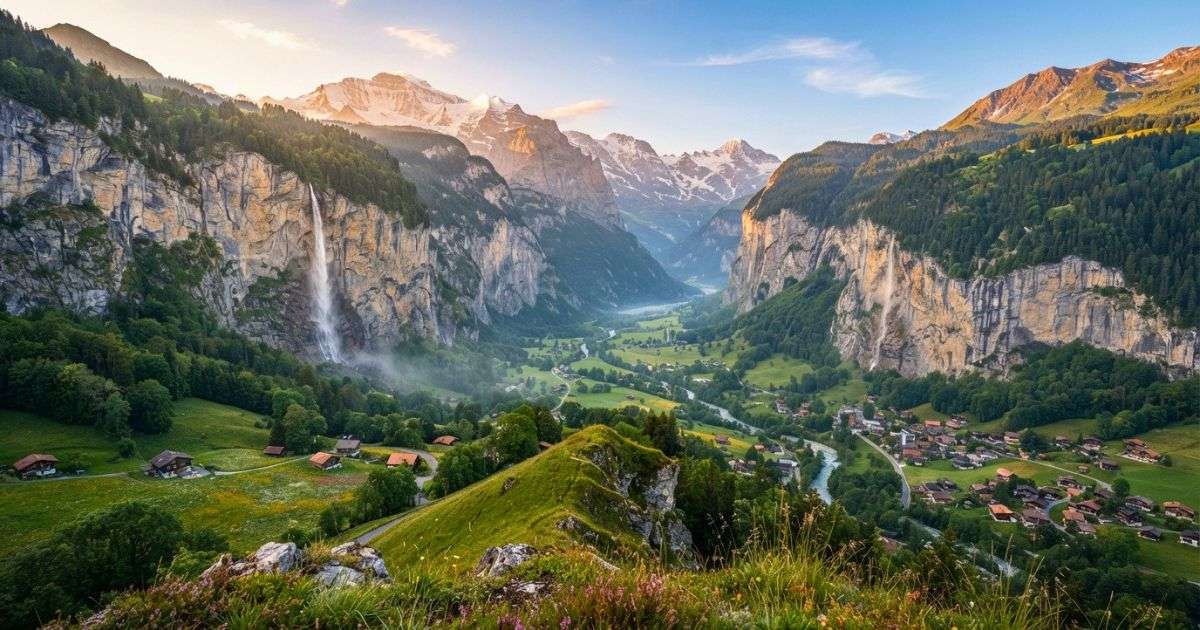
Switzerland is not just one type of place. That’s what makes it so good for so many kinds of travelers. You can ride a train past glaciers in the morning. Then you can sit by a lake with a coffee by lunchtime. Mountains, cities, and small towns are all close together. You won’t waste a whole day just getting from one place to the next.
Many “must-see” lists repeat the same five names. They don’t explain why those places matter. This guide is different. It’s made for people planning their first trip. Every place on this list comes with a clear answer to one question: is this place right for you?
You’ll read about snowy peaks like the Matterhorn, calm lake towns, cities full of history, and small villages that still feel untouched. Some spots are great for a quick stop. Others are worth two or three nights.
By the end of this guide, you’ll know which places fit your travel style. You’ll also know how many days to plan and about how much the trip will cost. Let’s explore the 15 places you shouldn’t miss.
Quick Overview Table
| Place | Best For | Best Season | Days Needed |
|---|---|---|---|
| Zermatt | Matterhorn views, hiking | June–September | 2–3 |
| Interlaken | Adventure sports, home base | May–September | 1–2 |
| Grindelwald | Scenic hikes, mountain access | June–September | 2 |
| Lauterbrunnen | Waterfalls, valley views | May–September | 1–2 |
| Lucerne | Old town, lake boat rides | April–October | 1–2 |
| Zurich | City life, museums, shopping | Year-round | 1–2 |
| Geneva | Culture, world events, lake views | April–September | 1–2 |
| Jungfraujoch | High mountain day trip | June–September | 1 (day trip) |
| Lake Geneva | Vineyards, castles, small towns | May–September | 1–2 |
| St. Moritz | Luxury, winter sports | December–March, July–August | 1–2 |
| Bern | Old capital city, buildings | Year-round | 1 |
| Rhine Falls | Big waterfall views | April–October | Half day |
| Appenzell | Small villages, old traditions | May–September | 1 |
| Oeschinen Lake | Mountain lake, hiking | June–September | 1 |
| Montreux | Lakefront charm, music history | May–September | 1 |
Things to Know Before Visiting Switzerland
Best Time to Visit
Summer, from June to September, is the easiest time for first-time visitors. Trails are open. Mountain trains run full schedules. Days are long. Winter, from December to March, is best for skiers and anyone who wants snowy views. Zermatt and St. Moritz are great winter picks.
Average Daily Budget
Switzerland costs more than most countries in Europe. Budget travelers can spend about CHF 100–150 a day. This works if you stay in hostels and cook your own food. Mid-range travelers should plan for CHF 200–350 a day. Luxury trips can go past CHF 500 a day.
Swiss Travel Pass
The Swiss Travel Pass lets you ride trains, buses, and boats without buying separate tickets. It also gives you free entry to over 500 museums. You can buy it for 3, 4, 6, 8, or 15 days. A 3-day pass starts at about CHF 254. It gives free rides on a few mountain trips, like the Rigi. It also gives 25–50% off many others, including Jungfraujoch.
Public Transport
Swiss trains almost always run on time. They connect nearly every town on this list, so you don’t need a car. Most regular trains don’t need a seat booking. But scenic trains like the Glacier Express and Bernina Express do need one.
Currency
Switzerland uses the Swiss franc (CHF), even though it sits next to countries that use the Euro. Cards work almost everywhere. But small mountain villages and market stalls may still want cash.
Languages
Switzerland has four national languages: German, French, Italian, and Romansh. Most people in tourist spots, hotels, and train stations speak English too. So language is rarely a big problem.
Safety Tips
Switzerland is one of the safest countries to visit. The biggest risks come from altitude and sudden weather changes on hikes, not from crime.
Packing Tips
Bring layers. Even in July, the mountains can go from warm sun to cold wind in an hour. Waterproof shoes and a small rain jacket will handle most weather surprises.
The 15 Best Places to Visit in Switzerland
Zermatt
Zermatt sits right below the Matterhorn, and no cars are allowed in town. This makes it one of the most famous mountain views in the world. The town uses electric taxis and horse carriages, so it stays quiet even with lots of visitors.
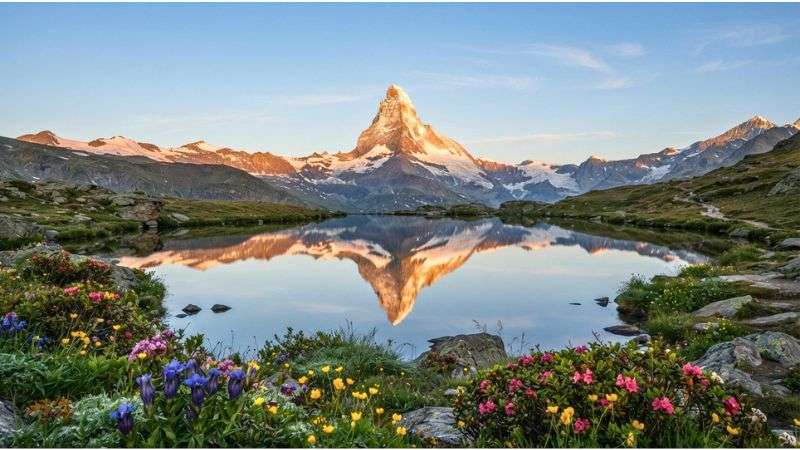
Why Visit: You get amazing views of the Matterhorn from almost every street. It also has some of the best hiking and skiing in the Alps.
Top Attractions: Matterhorn Glacier Paradise, the Gornergrat train, Sunnegga viewpoint, and the Matterhorn Museum.
Best Time to Visit: June to September for hiking. December to April for skiing.
Perfect For: Hikers, skiers, and anyone who wants that classic Matterhorn photo.
Pro Tip: Take the Gornergrat train early in the morning, before clouds cover the peak.
Nearby Places: Saas-Fee, Riffelalp, and the Aletsch Glacier.
Estimated Time Needed: 2 to 3 days.
Choose Zermatt if one amazing mountain view is worth planning your whole trip around.
Interlaken
Interlaken sits between two lakes, Thun and Brienz. It’s less of a “sightseeing” town and more of a launch point for the Jungfrau area. It has a relaxed, outdoorsy feel that draws adventure travelers from all over Europe.
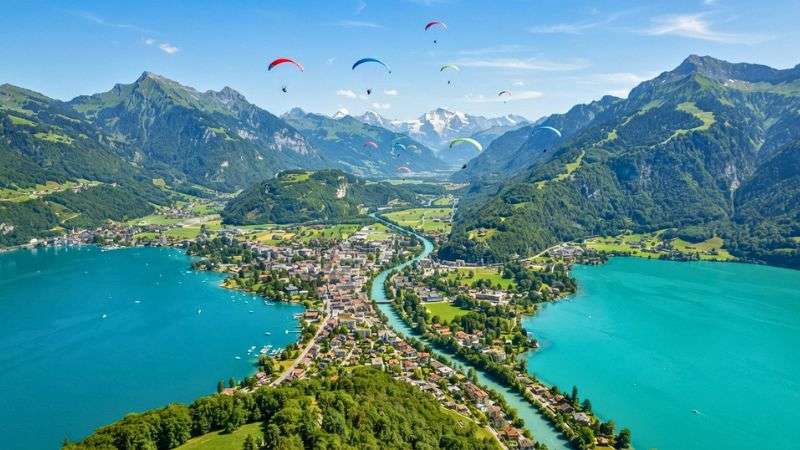
Why Visit: It’s the top spot in Switzerland for adventure sports. Paragliding, canyoning, and skydiving all start from here.
Top Attractions: Harder Kulm viewpoint, Höhematte Park, and boat rides on Lake Thun or Lake Brienz.
Best Time to Visit: May to September.
Perfect For: Thrill seekers, and travelers using it as a base for Grindelwald and Lauterbrunnen.
Pro Tip: Book your paragliding trip a day early. Flights often get cancelled because of wind.
Nearby Places: Grindelwald, Lauterbrunnen, and Lake Brienz.
Estimated Time Needed: 1 to 2 days.
Choose Interlaken if you want an active home base with easy day trips into the mountains.
Grindelwald
Grindelwald sits right below the north face of the Eiger mountain. That huge wall of rock shapes the whole feel of the village. It has grown into a real hiking hub, but it still feels like a small town.
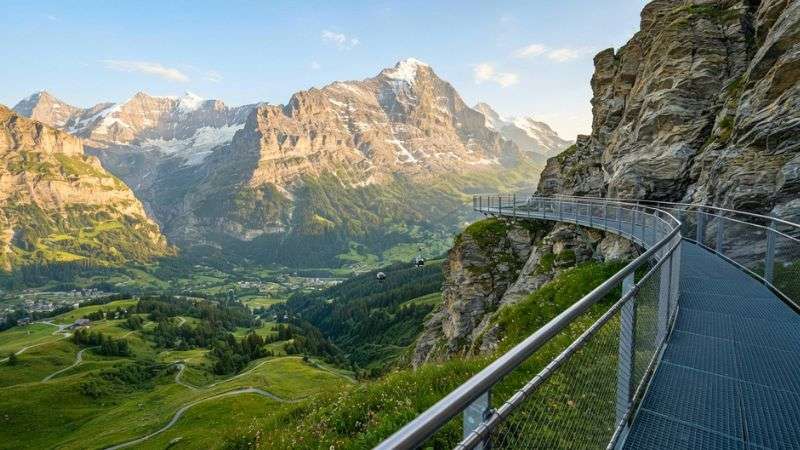
Why Visit: Some of the best hiking trails in the Bernese Oberland region, with the Eiger towering over the whole valley.
Top Attractions: First Cliff Walk, the Bachalpsee Lake trail, and the Eiger Express gondola.
Best Time to Visit: June to September.
Perfect For: Hikers who want big views without the crowds of Zermatt.
Pro Tip: Start the Bachalpsee hike before 9 a.m. The lake looks like a mirror before the wind picks up.
Nearby Places: Interlaken, Lauterbrunnen, and Jungfraujoch.
Estimated Time Needed: 2 days.
Choose Grindelwald if you want great hikes and close mountain views, all without needing a car.
Lauterbrunnen
The Lauterbrunnen valley has 72 waterfalls that drop off steep cliffs. It’s such a striking sight that it may have helped inspire Tolkien’s Rivendell. The town is small and calm, and you can walk through it in an afternoon.
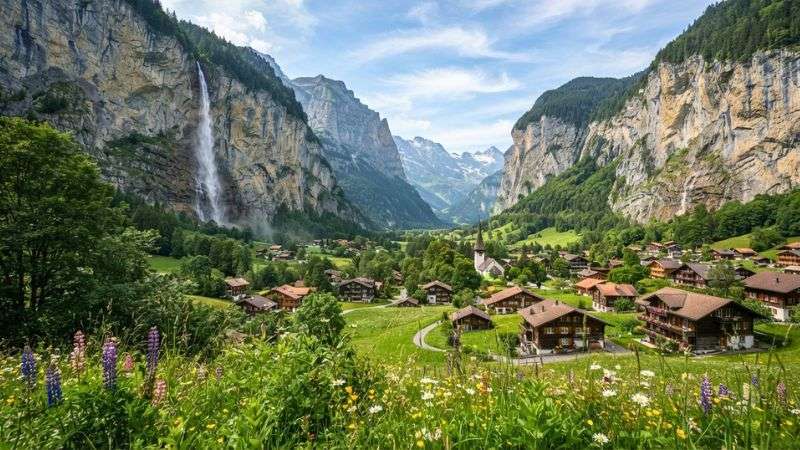
Why Visit: Waterfalls, cliffs, and a valley that looks like something out of a fantasy movie.
Top Attractions: Staubbach Falls, Trümmelbach Falls, and the villages of Mürren and Wengen above the valley.
Best Time to Visit: May to September, when melting snow keeps the waterfalls full.
Perfect For: Photographers and travelers who want a slower, scenic stop.
Pro Tip: Ride the cable car up to Mürren. It’s a car-free village with amazing valley views.
Nearby Places: Grindelwald, Interlaken, and Schilthorn.
Estimated Time Needed: 1 to 2 days.
Choose Lauterbrunnen if waterfalls and valley views matter more to you than a busy town center.
Lucerne
Lucerne mixes old buildings with lake views in an easy, natural way. The wooden Chapel Bridge is one of the most photographed spots in the country. The old town spreads out from it in narrow, cobbled streets.
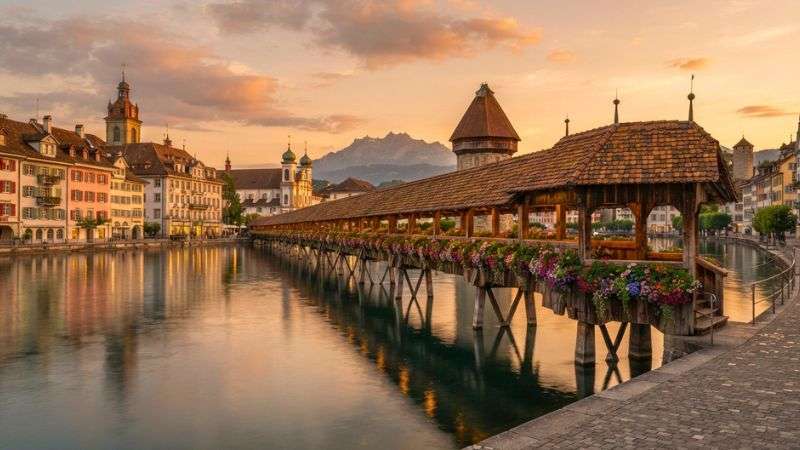
Why Visit: A small, walkable old town, plus easy boat rides and quick trips up Mount Pilatus and Mount Rigi.
Top Attractions: Chapel Bridge, the Lion Monument, and boat trips on Lake Lucerne.
Best Time to Visit: April to October.
Perfect For: First-time visitors who want history, views, and easy travel all in one place.
Pro Tip: Ride the steepest cogwheel train in the world up Mount Pilatus. You get big views without a long hike.
Nearby Places: Mount Rigi, Mount Pilatus, and Weggis.
Estimated Time Needed: 1 to 2 days.
Choose Lucerne if you want old town charm and mountain views close together.
Zurich
Zurich is Switzerland’s business center. But it doesn’t feel like a stiff, corporate city once you’re in the old town by the Limmat River. It has great museums, good shopping, and a fun nightlife.
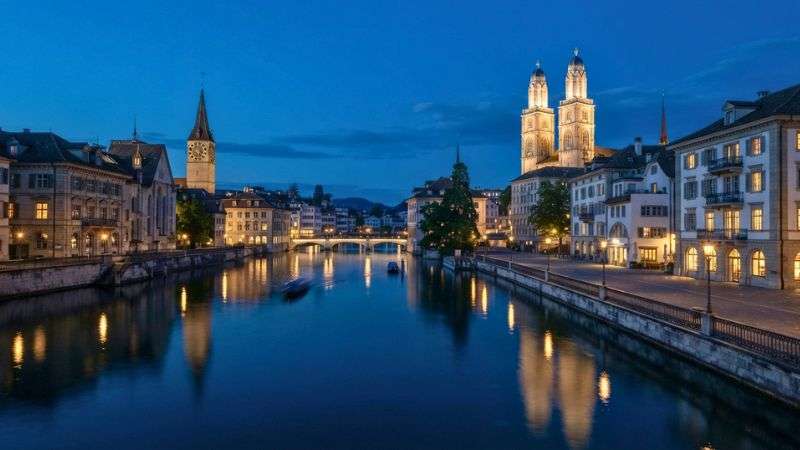
Top Attractions: The old town (Altstadt), the Lake Zurich walkway, Kunsthaus Zurich, and Bahnhofstrasse for shopping.
Best Time to Visit: Year-round. Summer lets you swim in the lake.
Perfect For: City lovers, museum fans, and travelers flying in or out of Zurich Airport.
Pro Tip: Locals swim in the Limmat River in summer. Free public swim spots line the riverbank.
Nearby Places: Rhine Falls, small Lake Zurich towns, and the Uetliberg viewpoint.
Estimated Time Needed: 1 to 2 days.
Choose Zurich if you like city life, museums, and shopping mixed in with your mountain days.
Geneva
Geneva sits at the west end of Lake Geneva. It feels international, since it’s home to the United Nations’ European office and many other world groups. The Jet d’Eau fountain, which shoots water 140 meters into the air, is the city’s most famous sight.
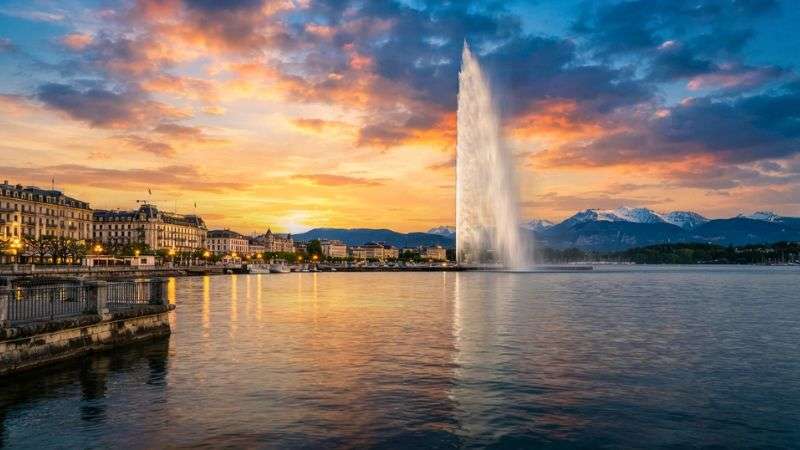
Top Attractions: The Jet d’Eau fountain, the Old Town, the Lake Geneva walkway, and the Patek Philippe Museum.
Best Time to Visit: April to September.
Perfect For: Travelers who like world history, culture, and lakeside walks.
Pro Tip: Walk through the English Garden by the lake at sunset, when the Jet d’Eau is lit up.
Nearby Places: Lausanne, Montreux, and Chamonix (just across the border in France).
Estimated Time Needed: 1 to 2 days.
Choose Geneva if you want a city by the lake that feels connected to the whole world.
Jungfraujoch
People call Jungfraujoch the “Top of Europe.” It sits 3,454 meters high, and a cogwheel train takes you all the way there. You don’t need any hiking gear. The Ice Palace and Sphinx viewing deck give you a close look at the Aletsch Glacier.
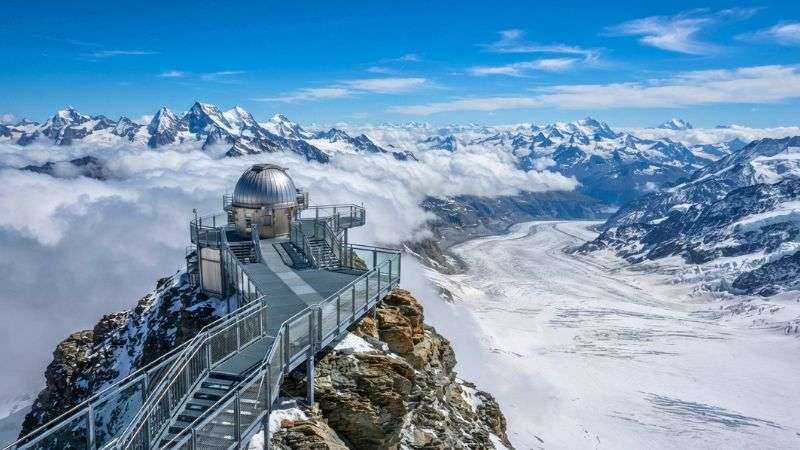
Top Attractions: The Sphinx Observation Deck, the Ice Palace, and views of the Aletsch Glacier.
Best Time to Visit: June to September for the clearest skies. It’s open all year, though.
Perfect For: Anyone who wants a high mountain view without a hard climb.
Pro Tip: Check the live webcam on the official website before you go. Clouds can block the whole view.
Nearby Places: Grindelwald, Wengen, and Kleine Scheidegg.
Estimated Time Needed: A full day trip from Interlaken or Grindelwald.
Choose Jungfraujoch if you want to stand above the clouds without a long, hard hike.
Lake Geneva
Away from the main city, Lake Geneva’s shore has vineyards, old castles, and small towns made for slow travel. The Lavaux vineyards along the lake are a UNESCO World Heritage Site.
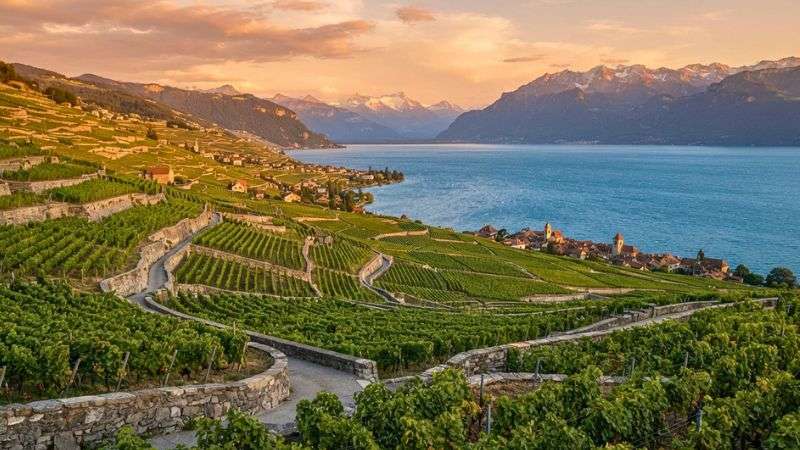
Top Attractions: The Lavaux vineyard terraces, Chillon Castle, and the towns of Vevey and Nyon.
Best Time to Visit: May to September.
Perfect For: Travelers who enjoy wine areas, old castles, and calm lake towns.
Pro Tip: Take the scenic train between Lausanne and Montreux. You’ll get non-stop views of vineyards and the lake.
Nearby Places: Montreux, Geneva, and Lausanne.
Estimated Time Needed: 1 to 2 days.
Choose Lake Geneva if wine, history, and lake views sound better to you than mountain trails.
Best Places by Travel Style
Best for Couples: Lauterbrunnen and Montreux are calm, pretty spots that are great for a slow, romantic pace.
Best for Families: Lucerne and Interlaken are easy to get around and have things for both kids and adults to enjoy.
Best for Adventure: Interlaken and Grindelwald lead the way in paragliding, hiking, and mountain sports.
Best for Photography: Zermatt and Lauterbrunnen give you the most dramatic, camera-ready views.
Best for Budget Travelers: Bern and Zurich have cheaper public transport and free walking routes through their old towns.
St. Moritz
St. Moritz has hosted the Winter Olympics twice, and it’s known for high-end, glamorous style. It’s a ski resort in winter and a calmer lake spot in summer. The Engadin valley’s dry, sunny weather makes it feel different from other mountain towns.
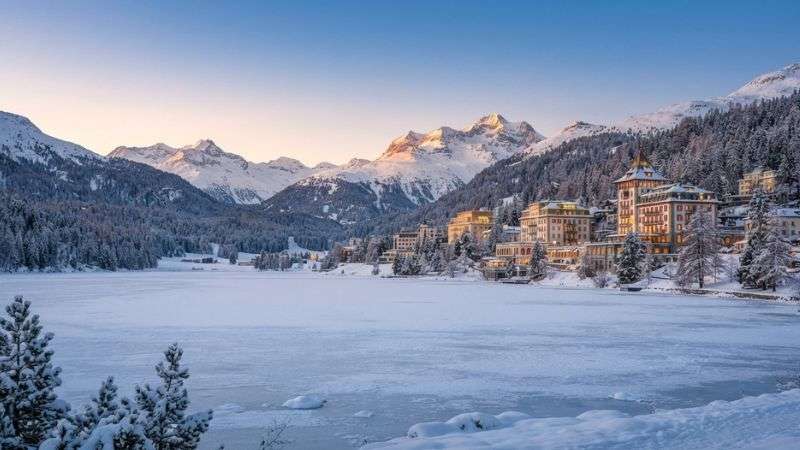
Top Attractions: Lake St. Moritz, the Muottas Muragl viewpoint, and the starting point of the Bernina Express train ride.
Best Time to Visit: December to March for skiing. July to August for hiking.
Perfect For: Luxury travelers and winter sports fans.
Pro Tip: Ride the Bernina Express from here. It’s one of the most scenic train rides in the Alps.
Nearby Places: Pontresina, Lake Silvaplana, and the Swiss National Park.
Estimated Time Needed: 1 to 2 days.
Choose St. Moritz if you want a fancy mountain trip with strong winter sports options.
Bern
Bern’s old town is a UNESCO World Heritage Site. It sits along a bend in the Aare River, with covered walkways that keep you dry or shaded for blocks at a time. As Switzerland’s capital city, it feels calmer than Zurich or Geneva.
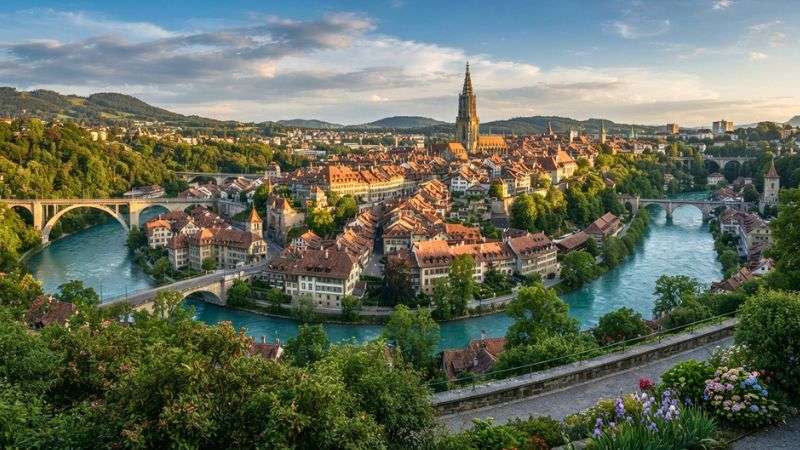
Top Attractions: The Zytglogge clock tower, Bear Park, and the Federal Palace (Bundeshaus).
Best Time to Visit: Year-round. In summer, you can float down the Aare River.
Perfect For: History lovers and travelers who want a real capital city, without huge crowds.
Pro Tip: In summer, locals swim and float down the Aare River. You can rent a dry bag to keep your things safe.
Nearby Places: Thun, Fribourg, and the Emmental region.
Estimated Time Needed: 1 day.
Choose Bern if you want capital-city history without the crowds you’d find in Zurich or Geneva.
Rhine Falls
Rhine Falls, near the town of Schaffhausen, is the biggest waterfall in Europe by the amount of water that flows over it. You’ll feel just how big it is once you’re standing on one of the viewing platforms. Boat rides take you right up close to the base of the falls.
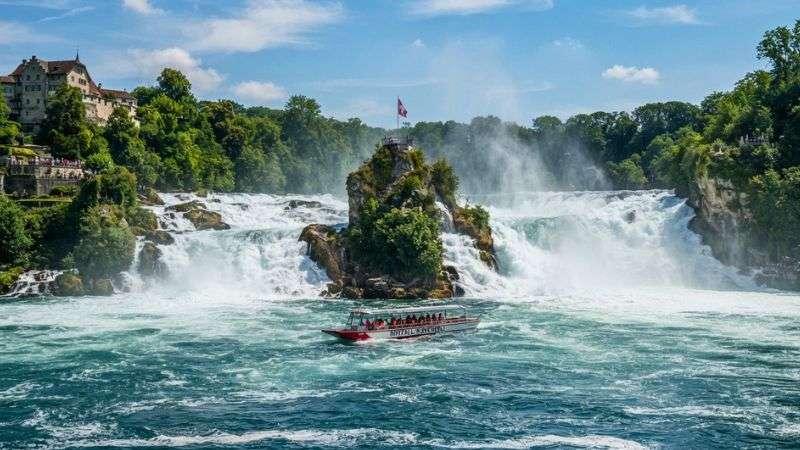
Top Attractions: Viewing platforms on both sides of the river, boat rides to the middle rock, and Laufen Castle above the falls.
Best Time to Visit: April to October, when melting snow makes the water flow strongest.
Perfect For: Quick stops between Zurich and northern Switzerland.
Pro Tip: Go on a weekday morning to skip the tour bus crowds that arrive by midday.
Nearby Places: Schaffhausen’s old town and Stein am Rhein.
Estimated Time Needed: Half a day.
Choose Rhine Falls if you want a big, impressive sight that fits into just one afternoon.
Appenzell
Appenzell feels like stepping back in time. It has painted wooden houses, dairy farms, and a canton that only let women vote in local elections starting in 1990. It’s one of the best places in Switzerland to see old traditions still alive today.
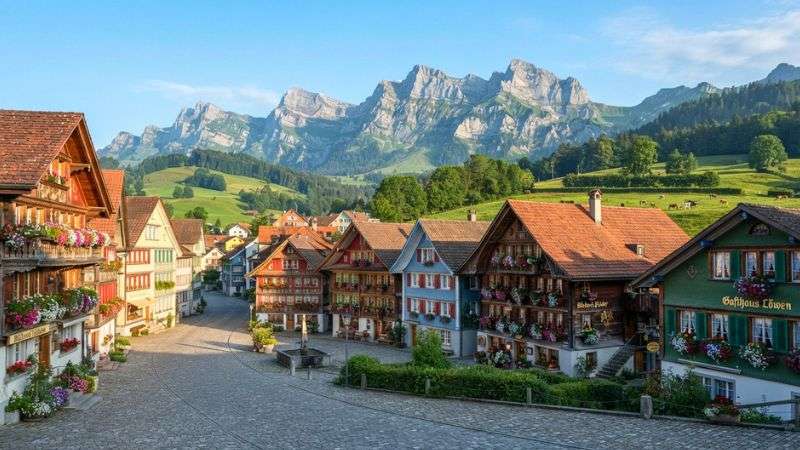
Top Attractions: The Appenzell village center, the Hoher Kasten cable car, and local cheese farms.
Best Time to Visit: May to September.
Perfect For: Travelers who want real Swiss village life, away from the busy tourist spots.
Pro Tip: Try to visit on a local market day. You’ll see traditional outfits and local food up close.
Nearby Places: Ebenalp and Lake Constance.
Estimated Time Needed: 1 day.
Choose Appenzell if you want village charm and old traditions, instead of another mountain resort town.
Oeschinen Lake
You reach Oeschinen Lake by cable car, then a short walk, from the town of Kandersteg. The lake sits in a natural bowl, ringed by cliffs and glaciers. Its bright turquoise color comes from minerals in the water, and it’s one of the most photographed lakes in the region.
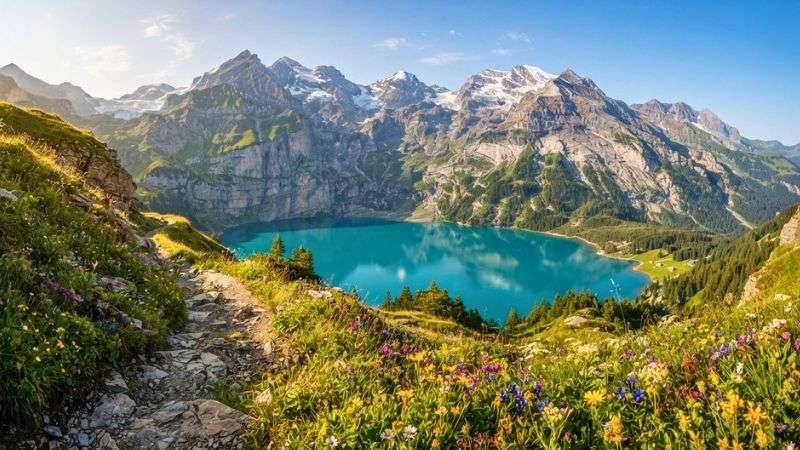
Top Attractions: The lake itself, hiking loops around it, and a small chairlift for anyone who can’t walk far.
Best Time to Visit: June to September, when melting snow keeps the water level and color at their best.
Perfect For: Hikers and anyone hoping for a classic mountain lake photo.
Pro Tip: Walk the full loop around the lake, not just to the first viewpoint. The far side has fewer people.
Nearby Places: Kandersteg, Gemmi Pass, and Adelboden.
Estimated Time Needed: 1 day.
Choose Oeschinen Lake if one stunning mountain lake is worth a full day trip on its own.
Montreux
Montreux sits on a curve of Lake Geneva, and its mild weather even lets palm trees grow there, which is rare for Switzerland. It’s known for jazz music, and the Freddie Mercury statue on the lakefront is a popular stop for music fans.
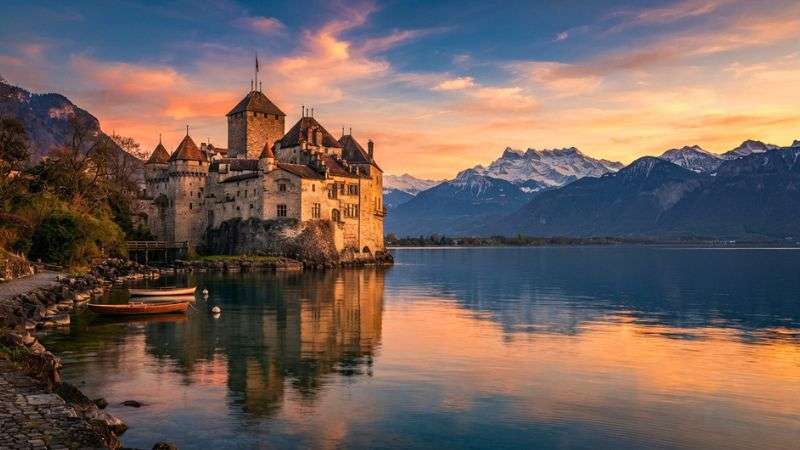
Top Attractions: Chillon Castle, the lakeside walkway, and the Montreux Jazz Festival, if you visit in July.
Best Time to Visit: May to September.
Perfect For: Travelers who want lake views with a bit of music history mixed in.
Pro Tip: Walk toward Chillon Castle in the late afternoon. The light on the water looks best then.
Nearby Places: The Lavaux vineyards, Vevey, and Gruyères.
Estimated Time Needed: 1 day.
Choose Montreux if you want a relaxed lakeside stop with some culture built in.
Suggested Switzerland Itineraries
3 Days: Stay in Lucerne on day one. Then move to Interlaken for days two and three, using it to reach Grindelwald and Lauterbrunnen.
5 Days: Add Zermatt to the 3-day plan. Spend two nights there to see the Matterhorn before heading back north.
7 Days: Combine Lucerne, Interlaken, Grindelwald, Lauterbrunnen, and Zermatt. Add one day in Zurich, either at the start or the end.
10 Days: Take the 7-day plan and add Geneva, Montreux, and a stop at Rhine Falls. This gives you a full loop from the mountains to the lakes.
Estimated Switzerland Travel Budget
| Category | Budget | Mid Range | Luxury |
|---|---|---|---|
| Place to Stay | CHF 40–80 | CHF 150–250 | CHF 350+ |
| Food | CHF 30–50 | CHF 70–110 | CHF 150+ |
| Transport | CHF 30–50 | CHF 50–80 | CHF 100+ |
| Activities | CHF 20–40 | CHF 50–100 | CHF 150+ |
These numbers are per person, per day. They don’t include the cost of a Swiss Travel Pass. You should work that cost out on its own, based on your trip length.
Essential Switzerland Travel Tips
- Book mountain trains, like the ones to Jungfraujoch and Gornergrat, a day or two early in the busy summer months.
- Bring layers no matter the season. Mountain weather can change fast.
- Bring a bottle you can refill. Tap water is safe, and free water fountains are everywhere.
- Keep some cash with you. Small villages and market stalls may not take cards.
- Download offline maps before you head into the mountains, where signal can be weak.
- Check the weather before any hike above 2,000 meters.
- Work out the true cost of the Swiss Travel Pass for your trip before you buy one.
- Book seats on scenic trains, like the Glacier Express, well ahead of time.
- Bring hiking shoes that you’ve already broken in, if you plan to walk any trails.
- Skip renting a car if you’re only visiting the cities and towns on this list. Trains can take you everywhere.
Frequently Asked Questions
Is Switzerland expensive? Yes. It’s one of the most expensive countries in Europe for food, hotels, and transport. Budget travelers can still manage by using hostels, cooking their own food, and using the Swiss Travel Pass. But you should still expect higher prices than in most nearby countries.
How many days are enough? Seven days covers the main highlights well. This includes Lucerne, Interlaken, Grindelwald, Lauterbrunnen, and Zermatt. Ten days lets you go slower and add some lake towns too.
What’s the best month to visit? June through September is best. Trails are open, waterfalls are full, and mountain trains run on full schedules. December through March is best for winter sports.
Can I visit without a car? Yes, easily. Switzerland’s trains connect almost every place on this list. Some mountain villages, like Zermatt and Wengen, don’t even allow cars.
Is Switzerland safe? Yes. Switzerland is one of the safest countries to travel in. The main things to watch for are weather and altitude on hikes, not crime.
What should I pack? Bring clothes you can layer, a rain jacket, sturdy walking shoes, and sunglasses for bright mountain light. Even in summer, you’ll need a warm layer for high mountain trips.
Is the Swiss Travel Pass worth it? It depends on your plans. If you’re moving between several towns and doing a few mountain trips, it usually saves you money. If you’re staying in one city, buying single tickets may cost less.
Where should first-time visitors stay? Lucerne or Interlaken work well as a first base. Both have easy train links to many other places on this list.
Which places are best in winter? St. Moritz and Zermatt are the top picks. Both have strong ski setups and snowy views.
Which places are best in summer? Lauterbrunnen, Grindelwald, and Oeschinen Lake shine in summer, when trails are open and waterfalls run full.
Do I need travel insurance for Switzerland? Yes, it’s a smart idea. This matters most if you plan to hike, ski, or do any mountain activities, since rescue costs can be high.
Is tipping expected in Switzerland? Not really. Restaurant bills usually already include a service charge. Rounding up or leaving small change is common, but you don’t have to do it.
Are credit cards widely accepted? Yes. Most hotels, restaurants, and shops take cards. Some small village shops and market stalls still prefer cash, though.
What’s the easiest airport to fly into? Zurich Airport has the best train links to the rest of the country. This makes it a smart choice for most trips on this list.
Can I see the Matterhorn without going to Zermatt? Zermatt gives you the closest and clearest views. But the Gornergrat train and nearby Riffelalp also offer great views of the mountain.
Final Thoughts
Switzerland is best enjoyed when you plan around what you actually want, not just a list of famous names. If this is your first trip, combine Lucerne, Interlaken, Grindelwald, Lauterbrunnen, and Zermatt. This route mixes cities, valleys, and high mountain views without a lot of backtracking.
If you love nature, focus on Lauterbrunnen, Oeschinen Lake, and Jungfraujoch. The views do most of the work there. If you want a fancier trip, St. Moritz and the Lake Geneva shore fit a slower, more polished style. If you’re after adventure, build your trip around Interlaken and Grindelwald, where paragliding, hiking, and mountain transport are all part of daily life.
If you have only one week in Switzerland, combine Lucerne, Interlaken, Grindelwald, Lauterbrunnen, and Zermatt for a well balanced trip.
You May Also Like:
Discover the World on a Budget: Top 10 Affordable Travel Destinations
How Many Seats On A Charter Bus Nebraska

Emma Rose is the founder of TryHardGuides.co.uk and a senior content strategist specializing in lifestyle, personal development, and digital entrepreneurship. With a focus on evidence-based living, she produces actionable content designed to help readers make informed life decisions and navigate the evolving tech-lifestyle landscape. As the editorial lead, Emma oversees the site’s mission to provide trustworthy, high-authority information. Her work reflects a commitment to personal growth, transparency, and the pursuit of a well-balanced, informed life.