
Last Updated: 22/April/2026
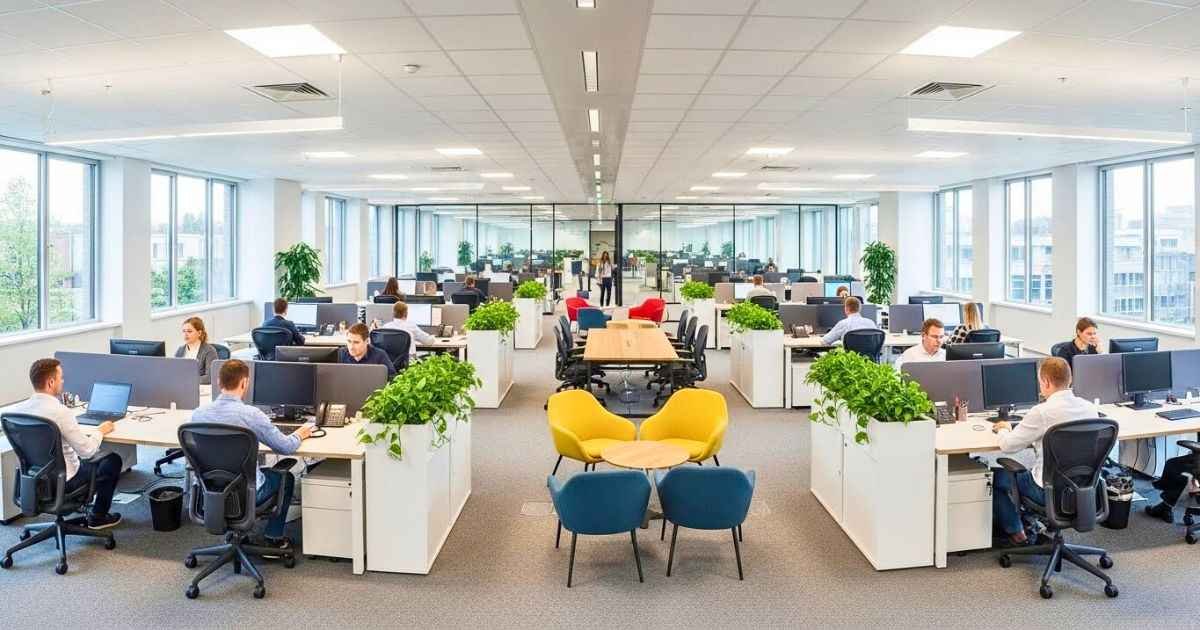
An office layout is much more than just putting desks in a room. It is a powerful tool that helps your team succeed. A good layout can make people feel energized, focused, and happy. On the other hand, a poor layout can cause stress and slow down work. When you are planning your office space, you need to think about how people move, talk, and think.
A modern office should be a place where productivity comes naturally. It should solve problems before they happen. For example, a well-planned space reduces noise and makes it easy to find tools. By using smart design, you can build an office that supports your business goals.
Why Planning Your Office Space Matters for Your Business
Planning your office space is a key part of running a successful company. It is not just about looks; it is about performance. When employees have a workspace that fits their needs, they stay with the company longer. This is called employee retention. It saves you the cost of hiring and training new people constantly.
A good layout also lowers stress. If the office is crowded or loud, people get tired quickly. A clean and open design helps them stay calm and clear-headed. Furthermore, a smart layout improves workflow efficiency. This means tasks get done faster because everything is in the right place. Choosing the right design is an investment in your team’s mental health and your company’s growth.
Understanding Different Office Layout Models
Before you start moving furniture, you should know the main types of office designs. Each model has pros and cons. Choosing the right one depends on what your team does every day.
| Layout Type | Best For | Pros | Cons |
| Open Plan | Creative teams and startups | Better communication and lower costs. | Can be very noisy and distracting. |
| Private Offices | Legal or financial firms | High privacy and perfect for deep focus. | Harder for team members to talk quickly. |
| Hybrid / Flexible | Modern tech companies | Great balance of focus and teamwork. | Requires more moving parts and planning. |
| Cubicle Layout | Data entry or call centers | Personal space for every worker. | Can feel isolating and takes up space. |
7 Essential Tips for Planning Your Office Space
1. Assess Your Workflow First
Every team works differently. Some people spend all day on the phone. Others need hours of total silence to write code or analyze data. Before you change anything, watch how your team works.
Do they meet often? Do they need to share screens? Group people based on their tasks. This is called task-based seating. By putting the right people together, you reduce the time they spend walking around to find each other. This makes the whole day run smoother.
2. Prioritize Natural Lighting and Airflow
Natural light is one of the most important parts of a healthy office. Studies show that people who work near windows sleep better at night and feel more alert during the day. When planning your office space, try to keep windows clear. Do not block them with tall cabinets or heavy curtains.
Airflow is also vital. A stuffy room makes people feel sleepy. Ensure that your layout allows air to move freely. If the office feels fresh, the people inside will feel fresh too. This simple change can boost energy levels without costing much money.
3. Use Smart Zoning to Manage Noise
Noise is the biggest enemy of focus. You cannot have someone having a loud brainstorming session next to someone trying to do complex math. The best solution is “Zoning.” Providing dedicated focus zones gives your team the quiet environment they need for deep work.
- Quiet Zones: These areas are for silent work only. No phones or loud talking allowed.
- Collaboration Zones: These are open spaces with big tables where teams can talk freely.
- Social Zones: This is the breakroom or coffee spot where people can relax and laugh.
By separating these areas, you give everyone the environment they need to succeed.
4. Focus on Ergonomics and Physical Comfort
If a worker has a sore back, they are not thinking about their work. They are thinking about their pain. Ergonomics means designing the workspace to fit the human body.
Invest in chairs that support the lower back. Use desks that are at the right height so wrists stay flat while typing. You can even offer standing desks. When people are physically comfortable, they can stay energized for the whole day. Comfort is a necessity, not a luxury.
5. Future-Proofing with Flexible Furniture
Your business will not stay the same size forever. You might hire five new people next month. A rigid layout makes growth difficult. To avoid this, use flexible furniture.
Look for desks with wheels or tables that can be folded and moved. Use modular walls instead of permanent ones. This allows you to change the room in just a few hours. Planning for the future today saves you from a “space crisis” later on.
6. Seamless Technology Integration
Cables and wires can quickly turn a beautiful office into a mess. They are also tripping hazards. When you plan the layout, look at the power outlets first.
Place desks near plugs so you don’t have to run long cords across the floor. Use furniture with built-in cable management to hide wires. Make sure your Wi-Fi signal is strong in every corner, including the breakroom. A tech-friendly layout keeps everyone connected without the clutter.
7. Dedicated Break and Wellness Areas
Taking a break is not “wasting time.” It is actually how the brain recharges. A good office layout must include a place to rest. A layout that encourages quick breaks and easy access to common areas can make the workday feel less draining.
Create a small lounge with comfortable sofas. Some companies even add a “Quiet Room” where employees can sit in silence for ten minutes to reset their minds. When people feel like they have a place to breathe, they return to their desks with better ideas and more focus.
You May Like:
Common Mistakes to Avoid in Office Design
Even with good intentions, many people make mistakes when arranging their workspace. Here are a few things to avoid:
- Ignoring Storage: If you don’t plan for cabinets, papers and boxes will end up on the floor. This creates a cluttered look that increases stress.
- Blocking Walkways: Always leave enough room for two people to pass each other in the halls. Narrow paths make the office feel cramped.
- Forgetting Acoustics: Hard floors and bare walls reflect sound. Use rugs or acoustic panels to soak up noise so the office doesn’t sound like a cave.
- Poor Lighting Placement: Never put a screen directly in front of a bright window. The glare will cause eye strain and headaches.
The Role of Color and Environment
The colors you choose for your office affect how people feel. Blue and green are known to help with focus and calmness. Yellow can spark creativity but might be too much if used everywhere. When you are decorating, think about the “vibe” you want. Adding plants is also a great idea. Plants clean the air and make the office feel more alive and welcoming.
Also Read: How Regular Maintenance Transforms Plumbing Performance
How to Plan a Budget-Friendly Layout
You do not need a million dollars to improve your office. Small changes can have a big impact.
- Rearrange Existing Furniture: Sometimes just moving desks toward the windows makes a huge difference.
- Paint the Walls: A fresh coat of light-colored paint makes a room feel larger and cleaner.
- Add Better Bulbs: If you can’t get natural light, use “cool white” LED bulbs that mimic daylight.
- Declutter: Removing old equipment and trash is the fastest way to open up space.
Frequently Asked Questions
How much space is needed per employee?
Most experts suggest about 75 to 150 square feet per person. This includes their desk space and their share of the common areas like hallways and the breakroom. If you have less than this, the office might feel too crowded.
What is the most productive office layout?
There is no single “best” layout. However, the hybrid layout is currently the most popular. It provides private spots for quiet work and open areas for teamwork. This balance usually leads to the highest productivity.
How do I stop noise from spreading in an open office?
You can use “soft” materials. Carpets, curtains, and fabric-covered partitions help absorb sound. You can also use white noise machines to mask the sound of people talking.
How often should I update my office layout?
It is a good idea to review your space every year. As your team grows or your technology changes, your layout might need small adjustments to stay efficient.
Final Thoughts on Office Planning
Mastering your office layout is a journey. It starts with understanding your people and ends with a space that supports them. When you focus on comfort, light, and smart zoning, you create an environment where everyone can do their best work.
A well-planned office is a sign of a professional business. It shows your team that you care about their well-being. Start with small changes, listen to employee feedback, and watch how your workplace transforms into a hub of energy and success. By planning your office space with care, you are building the foundation for a more productive future.
Disclaimer:
This article is for information only. We share ideas to help you plan your office, but every building and team is different. Please check with a local expert or a safety officer before moving heavy furniture or changing wires. We are not responsible for any issues that happen while using these tips. Always put safety first when making changes to your workspace.
You May Also Like: Modern Breakout Office Furniture: Transforming Workspaces for Creativity and Collaboration
For More Information, visit TryHardGuides.

Emma Rose is the founder of TryHardGuides.co.uk and a senior content strategist specializing in lifestyle, personal development, and digital entrepreneurship. With a focus on evidence-based living, she produces actionable content designed to help readers make informed life decisions and navigate the evolving tech-lifestyle landscape. As the editorial lead, Emma oversees the site’s mission to provide trustworthy, high-authority information. Her work reflects a commitment to personal growth, transparency, and the pursuit of a well-balanced, informed life.