
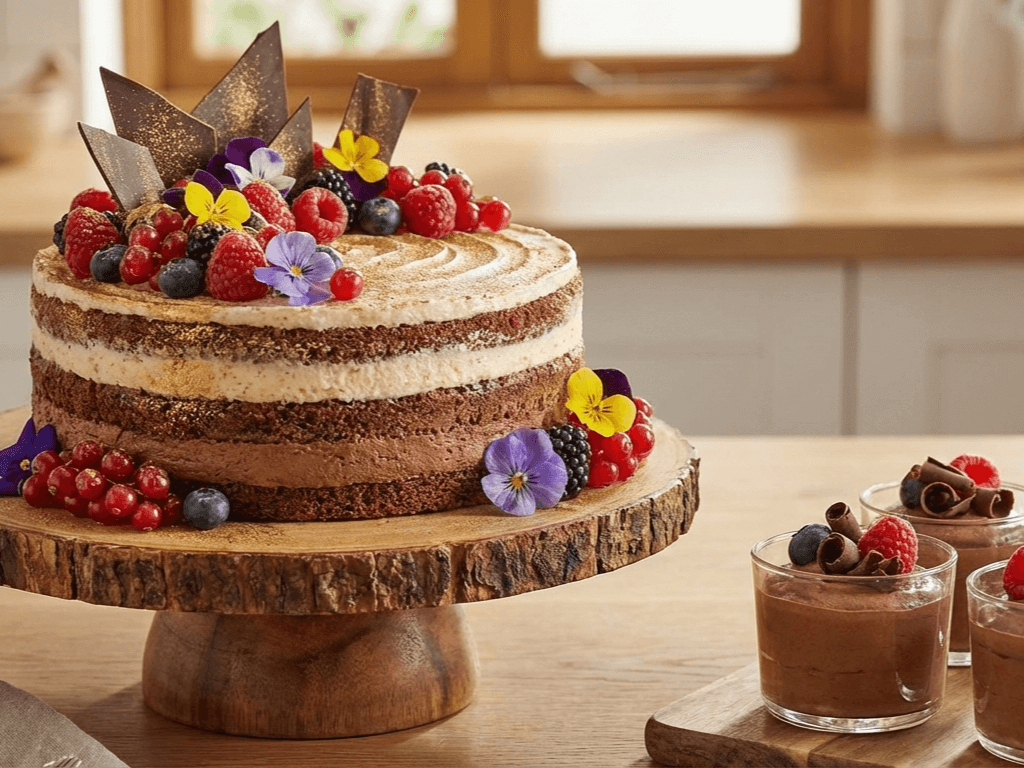
Decorating cakes and desserts is an art that combines creativity, aesthetics, and a sense of taste. Carefully chosen decorations make baked goods not only a treat for the palate but also a true visual delight. In modern pâtisserie, it is important to utilise a variety of materials and techniques that give desserts a unique character, regardless of the occasion. It is worth remembering that decorations serve not only an aesthetic function – they also influence the perception of taste and can emphasise the sophistication of the bake.
Decorating cakes and desserts is an art that combines creativity, aesthetics, and a sense of taste. Carefully chosen decorations make baked goods not only a treat for the palate but also a true visual delight. In modern pâtisserie, it is important to utilise a variety of materials and techniques that give desserts a unique character, regardless of the occasion. It is worth remembering that decorations serve not only an aesthetic function – they also influence the perception of taste and can emphasise the sophistication of the bake.
The Benefits of Patisserie Decorations
Thoughtfully designed decorations offer many advantages. Firstly, they enhance the flavour and perceived quality of the bake, as aesthetics influence taste perception. Secondly, they allow for personalisation, making the dessert unique and tailored to the character of the event. Thirdly, decorations provide an opportunity to express creativity and create a striking image for a brand or home bakery. It is also worth noting that decorations can introduce seasonal, thematic, or educational elements for example, using fruits and flowers in a natural style, colourful sprinkles for children, or elegant accents in a minimalist style.
Decorative Materials and Techniques
Modern pâtisserie employs a wide range of techniques and materials. Beyond classic elements such as creams, icings, or fruits, increasingly diverse additions are used to enhance both the visual appeal and flavour of the composition. Among the most interesting are:
- Chocolate – a versatile material available as glazes, chocolate leaves, chocolate pencils, or branded chocolates. Chocolate allows for both elegant, minimalist designs and striking three-dimensional details. Experimenting with different types of chocolate, such as milk, dark, white, or ruby, creates intriguing colour and flavour contrasts.
- Sprinkles and Edible Decorations – available in numerous shapes, colours, and flavours, these add character to desserts, emphasise their theme or seasonality. They can include classic sugar granules, pearls, gold or silver accents, as well as colourful powders or edible glitter that subtly enhance the visual appeal of the bake.
- Natural Additions – fresh fruits, edible flowers, nuts, dried fruit petals, or even mint leaves introduce colour, texture, and aromatic contrast. Using natural elements brings freshness and lightness to desserts and highlights their wholesome nature.
It is important to remember that examples such as lacy decorations, branded chocolates, or chocolate shavings are merely inspirational. The true value of decoration lies in skillfully combining various elements to suit the style and occasion.
Combining Different Decorative Elements
The key to effective decoration is the harmonious combination of materials. First, it is useful to define the main visual theme of the dessert, then select complementary details that introduce contrast or complete the composition. In practice, this might include:
- Combining cream and fruits with subtle chocolate accents.
- Adding sprinkles or edible flowers to introduce elements of colour and texture.
- Using branded chocolates or small chocolate figures to personalise a cake for special occasions.
Decoration planning also involves balancing aesthetics with functionality – the decorations should not overwhelm the flavour or texture of the bake. Contrasts between a smooth cream surface and crunchy elements, fruits, or sprinkles create an attractive and harmonious composition.
Modern and Classic Inspirations
Cake and dessert decorations can take a variety of forms. Classic additions such as chocolate shavings, sugar pearls, or fruits remain timeless and elegant. Modern trends, however, include edible flowers, glitter, geometric elements, or minimalist chocolate accents. Seasonal themed decoration sets can also be used, for instance festive motifs, summer fruits, or pastel touches for children’s celebrations.
Experimenting with decorations allows for the creation of unique compositions tailored to the nature of the event and individual taste preferences. Maintaining colour and stylistic consistency is essential for achieving a professional finish for any bake.
Professional Appearance and Unique Character
Decorating cakes and desserts is not just a technique; it is, above all, an art form. Skillfully combining diverse materials from chocolate and sprinkles to natural elements gives bakes a distinctive character and impresses guests. Carefully planned decorations enhance flavour, create a coherent aesthetic, and allow creativity to shine. With modern inspiration and classic elements, any cake or dessert can become a small work of art that delights both the eyes and the palate.

Alex Taylor is a seasoned technology writer and systems specialist with over 5 years of experience in hardware maintenance and digital troubleshooting. He specializes in practical tech guides, focusing on making complex technical repairs and software optimization accessible to everyday users. Alex personally reviews and fact-checks every guide to ensure that maintenance tips are safe, effective, and budget-friendly. Whether it’s a hardware fix or a software setup, his work is driven by a passion for technical clarity and real-world utility.