
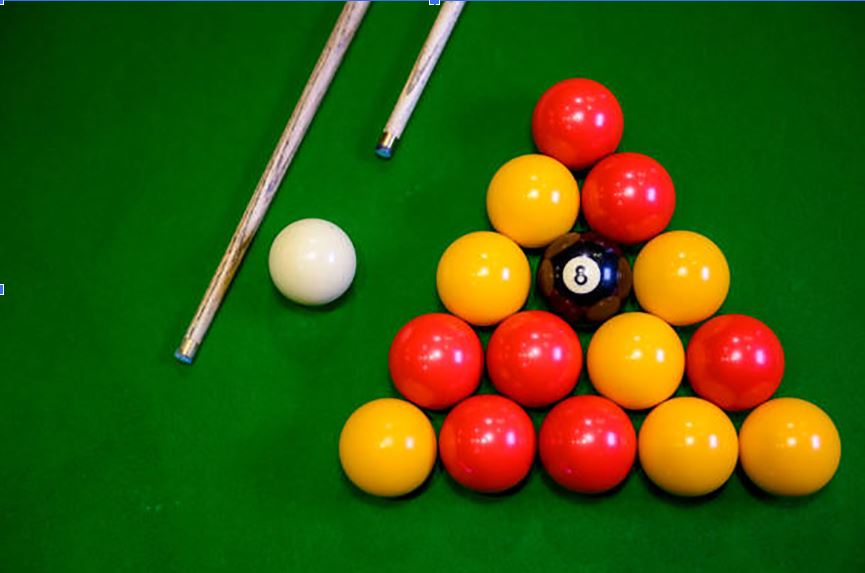
Every billiards enthusiast has experienced this: you aim, the room goes silent. You strike, but the cue ball veers off course. Worse, you completely miss. The whole game slips away, and you can only blame luck, the pool table, or the lighting. But deep down, you know it wasn’t luck. Often, the problem lies with the cue stick.
For many amateur players in the UK, pool and snooker have become an integral part of their daily lives: Thursday league nights, leisurely Sunday afternoons at the club, a few games after get off work. However, a simple truth is often overlooked: your cue is more than just a stick; it’s your “handshake” with the table. If the cue isn’t right for you, everything becomes much more difficult.
Let’s explore why choosing the right cue—from a well-balanced snooker cue suitable for club players to a reliable snooker cue and a properly weighted cue can not only change your game but also enhance your enjoyment of the match.
The Hidden Costs of “Good Enough”
Most beginners start with generic cues. Bent cue shafts, worn cue tips, inconsistent weight. It’s fine for casual play, but if you want to improve, “good enough” will frustrate you. A billiards cue that doesn’t fit your stance or stroke is like wearing shoes a size too small. You can walk, but the movement feels unnatural.
Common player pain points:
- Inconsistent cue ball control
- Frequent miscues under pressure
- Difficulty applying spin
- Lack of confidence on long pots
Sound familiar? These issues are often less about talent and more about cue tools.
Snooker vs American Pool: Understanding Your Cue
Especially in the UK, this distinction is crucial. Using a cue unsuitable for the sport is like trying to butter toast with a carving knife. Theoretically possible, but completely impractical.
A proper 3/4 jointed snooker cue with ash shaft and 9.5mm tip is designed for finesse delicate screw shots, subtle sidespins, long straight pots that test your nerve.
By contrast, a standard cue sticks pool setup tends to have a thicker tip (usually 12–13mm) and a slightly different balance point, built for punchier contact and heavier cue balls.
Why Quality Matters More Than Price
First, let’s clarify one point: “Premium” doesn’t always mean “expensive for the sake of being expensive.”
It means:
- Straighter grain ash for better feedback
- A well-fitted brass joint
- Consistent weight distribution
- A properly layered tip that holds chalk
That feedback through the cue that subtle vibration in your bridge hand tells you everything about the shot. With a cheap pool cue, that information gets lost. With a good one, it’s crystal clear. Players upgrading from entry-level snooker cues often say the same thing: “I didn’t realise how much easier it could feel.” That’s not marketing fluff. It’s physics and craftsmanship working together.
Choosing the Right Cue for You
Before rushing to buy, consider the following:
1. Length
Most British players choose 57″ or 58″. f you are over 6 feet (approximately 1.83 meters) tall, a 58-inch (approximately 1.47 meters) cue will generally feel more natural.
2. Weight
Heavier doesn’t necessarily mean better. Many experienced players prefer 18-19 ounces cues for better control.
3. Tip Size
- 9–10mm: Ideal for snooker precision
- 12–13mm: Standard for pool power
4. Joint Style
3/4 jointed cues are popular in Britain for their solid feel and easy transport. If you’re unsure, it’s worth exploring trusted cue makers with a proven reputation for balance and finish.
Small Upgrades, Big Impact
Even small improvements can have a significant impact:
- Replace worn tips regularly
- Keep your shaft clean
- Use quality cue chalk
- Store cues in proper cue cases
A well-maintained pool cue or snooker cue doesn’t just last longer it performs consistently. And consistency is everything.
Cue Buying Guide for Recreational Players: “Upgrading”
You don’t need to be chasing century breaks or county championships to justify upgrading your equipment.
If you:
- Play weekly
- Care about improving
- Feel frustrated by inconsistent performance
Then investing in a suitable set of pool or dedicated snooker cues is a way of respecting your own efforts. This isn’t about showing off; it’s about getting you into peak condition for the game.
The Cue Is Your Conversation With the Table
Billiards and snooker aren’t noisy sports; they’re about skill, strategy, and intimacy.
Your cue stick is the bridge between your intentions and the cue ball. When this communication is clear and smooth, the game becomes fluid, natural, and rewarding. When the communication is poor, everything becomes incredibly difficult.
Because when your cue equipment matches your goals, everything changes. Shots become more accurate, your stance more stable, and your confidence grows. Suddenly, the quiet room before the shot is no longer intimidating, but filled with passion.
That’s the difference the right cue stick makes. It truly is. Once you experience it, you can never go back.

Alex Taylor is a seasoned technology writer and systems specialist with over 5 years of experience in hardware maintenance and digital troubleshooting. He specializes in practical tech guides, focusing on making complex technical repairs and software optimization accessible to everyday users. Alex personally reviews and fact-checks every guide to ensure that maintenance tips are safe, effective, and budget-friendly. Whether it’s a hardware fix or a software setup, his work is driven by a passion for technical clarity and real-world utility.