
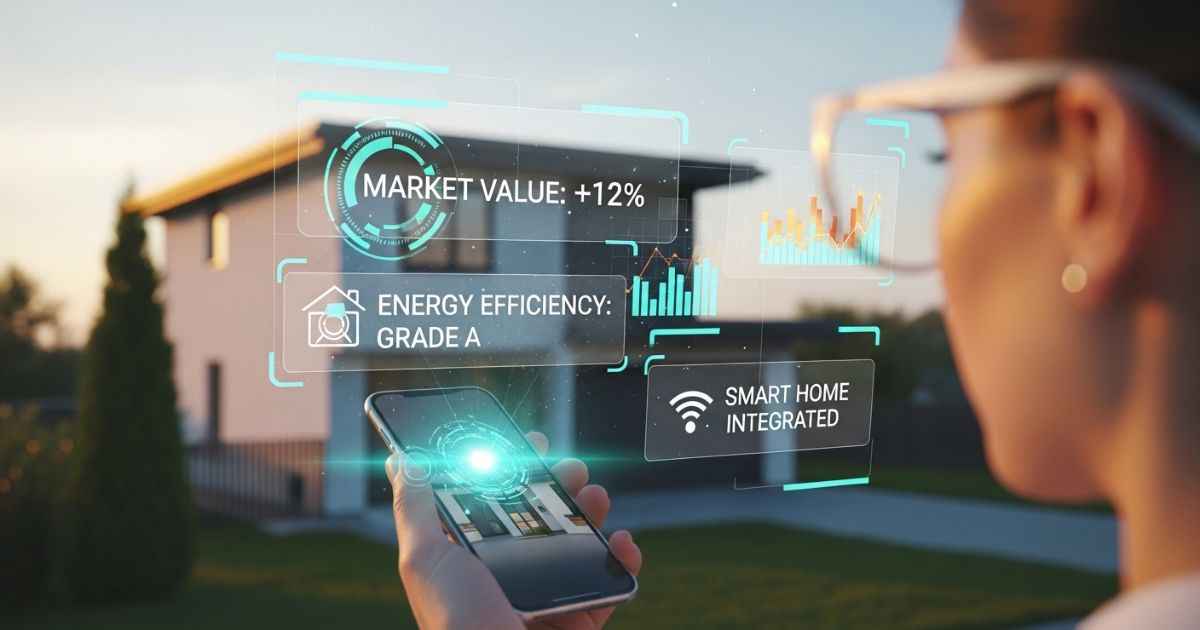
Technology is not optional in the modern real estate landscape — it’s a core driver of success. From AI and blockchain to IoT and cloud computing, the tools redefining the industry are about improving efficiency, transparency, and the client experience. Real estate professionals who embrace these innovations will gain a competitive edge, deliver greater value, and thrive in an ever-evolving market.
3D Furniture Rendering
One of the most effective tools for boosting online property appeal is 3D furniture rendering for real estate. Empty spaces can often feel uninspiring and make it difficult for buyers to imagine how a property might look when furnished. Through advanced 3D rendering technology, real estate professionals can digitally stage properties with realistic furniture, décor, lighting, and textures tailored to different target audiences. This technology creates highly realistic digital models of furniture that can be placed virtually in homes or commercial spaces. By using 3D rendering, real estate professionals can stage properties digitally, showing prospective buyers exactly how a room could look fully furnished without the need for physical staging.
3D furniture rendering has several advantages:
- Cost Efficiency: Traditional home staging can be expensive, requiring rental furniture and professional setup. Digital staging using 3D models is far more affordable.
- Flexibility: Agents can easily change furniture styles, layouts, or colors to appeal to different audiences.
- Enhanced Visualization: High-quality renders allow buyers to imagine themselves living in the space, increasing emotional engagement and the likelihood of offers.
Photorealistic Architectural Renderings
Another game-changing technology is real estate architectural rendering. This technique creates ultra-realistic images of buildings or interiors before they are even constructed. Architects, developers, and real estate marketers use these renderings to showcase upcoming projects, pre-sell units, and attract investors.
The benefits of photorealistic renderings include:
- Marketing Impact: Stunning visuals help projects stand out in a crowded market. They can be used on websites, social media, brochures, and presentations.
- Investor Confidence: High-quality renderings provide a clear vision of the final product, making it easier to secure funding.
- Design Accuracy: Renderings allow teams to spot design issues early, reducing costly mistakes during construction.
Virtual and Augmented Reality in Real Estate
Virtual Reality (VR) and Augmented Reality (AR) have revolutionized the way potential buyers explore properties. Instead of relying solely on photos or videos, VR allows clients to walk through an entire property virtually. This immersive experience saves time for both buyers and agents, and it enables international clients to tour properties without traveling.
AR enhances physical visits by overlaying digital information onto real-world spaces. For example, buyers can use AR apps to visualize how furniture, paint colors, or renovations will look before committing. This combination of VR and AR makes the decision-making process faster, more informed, and more satisfying for clients.
Artificial Intelligence and Predictive Analytics
AI is increasingly becoming a crucial tool in real estate. Predictive analytics can analyze vast amounts of data—such as market trends, neighborhood activity, and buyer preferences—to forecast property values, rental rates, and the likelihood of sales.
AI-powered chatbots are also enhancing customer service. Prospective buyers can ask questions and schedule viewings 24/7, improving lead generation and reducing the workload on agents.
Additionally, AI tools can assist in property valuations, fraud detection, and personalized marketing campaigns, making operations more efficient and data-driven.
Internet of Things (IoT) and Smart Homes
Smart home technology is another innovation reshaping real estate. Buyers are increasingly looking for properties equipped with IoT devices that enhance comfort, convenience, and energy efficiency.
From smart thermostats and lighting to security cameras and voice-activated assistants, IoT integration allows homes to be more sustainable and functional. Real estate professionals can highlight these features to appeal to tech-savvy buyers and differentiate properties in competitive markets.
Drone Photography and Videography
High-quality visuals are key to successful real estate marketing. Drones allow agents to capture stunning aerial footage of properties, neighborhoods, and surrounding amenities. This bird’s-eye perspective provides buyers with a better understanding of the property’s location and scale, which is particularly valuable for large estates, commercial properties, or developments.
Drone videos and photos, combined with 3D and photorealistic renderings, create a comprehensive and visually compelling property presentation.
Blockchain and Smart Contracts
Blockchain technology is also gaining traction in real estate. It offers secure, transparent, and tamper-proof methods for managing transactions, property records, and contracts. Smart contracts automate processes such as escrow payments and title transfers, reducing the potential for fraud and minimizing paperwork.
As more buyers and investors demand speed, security, and efficiency, blockchain adoption is likely to become a standard in the real estate industry.
Conclusion
Success in modern real estate requires more than traditional marketing and sales techniques. Innovative technologies like 3D furniture rendering, photorealistic architectural renderings, AI, VR/AR, IoT, drones, and blockchain are reshaping the industry. They enhance property visualization, improve customer experiences, streamline operations, and boost sales potential.
By embracing these technologies, real estate professionals can differentiate themselves, attract more clients, and stay ahead in an increasingly competitive market. Whether you are an agent, developer, or architect, investing in cutting-edge tech is no longer optional—it’s essential for long-term success.

Alex Taylor is a seasoned technology writer and systems specialist with over 5 years of experience in hardware maintenance and digital troubleshooting. He specializes in practical tech guides, focusing on making complex technical repairs and software optimization accessible to everyday users. Alex personally reviews and fact-checks every guide to ensure that maintenance tips are safe, effective, and budget-friendly. Whether it’s a hardware fix or a software setup, his work is driven by a passion for technical clarity and real-world utility.