

Last Updated: 17/May/2026
Many people love the open water. The sun feels warm on your skin. The breeze smells like salt. But owning a watercraft is not always simple. You need to know the basic facts before you buy your first vessel. This complete boating and fishing guide gives you the hull truth about boat ownership. We want you to have fun, catch fish, and stay safe on every single trip. Learning the rules of the water now will protect your investment and keep your passengers safe.
What is the Real Cost of Owning a Boat?
Quick Answer: A boat costs about ten percent of its original purchase price every single year in basic upkeep. This yearly cost includes items like storage fees, marine insurance, regular engine maintenance, and fuel.
Buying a boat is just your first step. You will spend more money later to keep it running well. If a boat costs $20,000, plan to spend around $2,000 each year on parts and service. This is a standard rule that experienced boaters follow.
You must pay for a safe place to keep your vessel when you are not using it. Some owners use a trailer at home for free. Others pay for a wet slip at a local dock or marina. You also need specialized marine insurance. This protects your money if a storm hits or something goes wrong on the water. Fuel is another major ongoing cost. Boat engines use much more gas per hour than modern cars. Always plan your monthly budget for these extra needs so you do not get caught by surprise.
Understanding Boat Hull Shapes and Designs
The hull is the main body of the boat. It is the part that sits directly in the water and keeps you afloat. Different hull shapes do different jobs. You must pick the right shape for the specific type of water you plan to visit.
Flat-Bottom Hulls and the Jon Boat
A flat-bottom boat is perfect for calm, shallow water. These boats stay very still when you stand up to fish. A common example of this design is a jon boat. Jon boats are light, cheap, and very easy to clean. They work great in small lakes, backyard ponds, and quiet rivers. However, they ride very rough if the water gets choppy or windy.
V-Shaped Hulls for Choppy Water
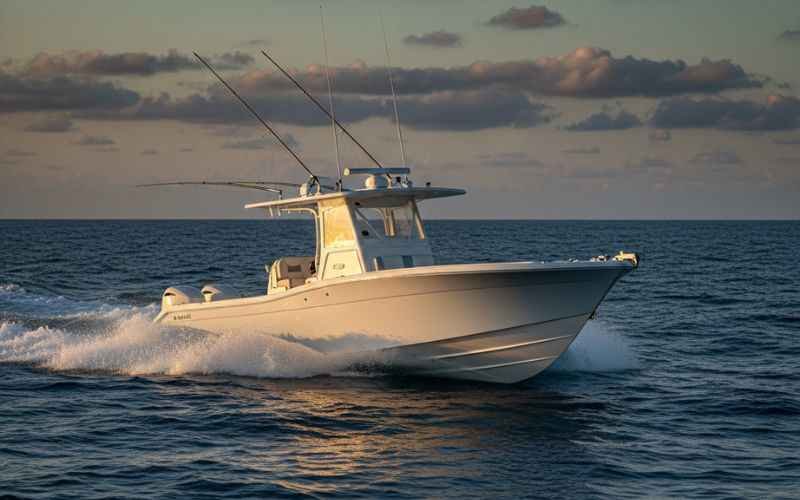
A V-shaped hull is built specifically for rougher water and big waves. The sharp bottom cuts through waves like a knife. This keeps the ride smooth for everyone on board. Most deep-sea fishing boats use a deep V-shape. They need more engine power to move, but they keep you safe when the wind picks up.
Common Hull Materials
- Fiberglass: This material is strong and looks very smooth. It is easy to shape into complex designs. It requires regular wax to protect the outer gelcoat from the hot sun.
- Aluminum: This metal is light and very tough. It does not crack or break if you hit a rock in a shallow river. It lasts for decades with very little maintenance.
Choosing the Right Boat Trailer and Tow Vehicle
Quick Answer: Your truck or SUV must be rated to pull the total weight of your boat, trailer, fuel, and gear combined. Always use a trailer with working hydraulic or electric brakes if your total load is over 3,000 pounds.
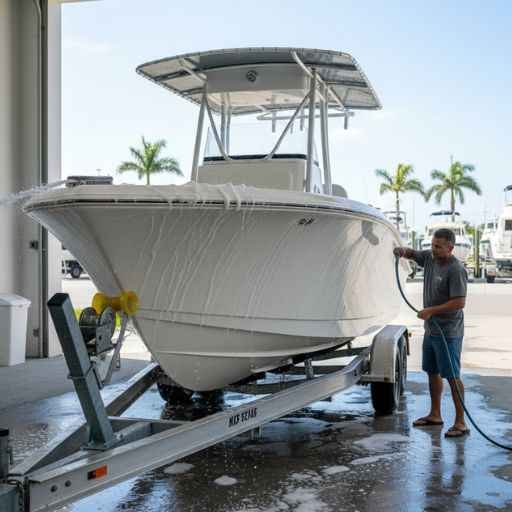
If you do not keep your boat at a marina, you need a high-quality trailer. Look for a trailer made from galvanized steel or aluminum. These metals resist rust, especially around saltwater boat ramps. Check the trailer tires for small cracks in the rubber before every single trip.
Matching Weight Capacities
Your tow vehicle needs enough power to pull the boat safely up steep, slippery ramps. Check your vehicle’s owner manual for the maximum towing capacity. Always use heavy safety chains when you hook the trailer to your truck frame. Grease the trailer wheel bearings twice a year so the wheels spin smoothly at highway speeds.
Keeping Your Boat Engine Running Strong
The engine is the heart of your vessel. Without a working engine, you are stuck out on the water. You must change the engine oil regularly, just like you do in a car. Saltwater is very harsh on metal parts. It can cause deep rust and motor failure very quickly.
Post-Trip Engine Care
After every single trip in the ocean, flush your engine out with clean, fresh water. This simple step washes away the trapped salt crystals inside the cooling passages. Check your spark plugs and electrical wires once a month for signs of wear. If the motor sounds strange, stop running it and fix the issue immediately. Small fixes now prevent expensive engine breakdowns later. Always keep a spare belt, extra oil, and basic hand tools on board.
Essential Safety Gear for Every Trip
You should never leave the dock without proper safety equipment. This gear saves lives during sudden emergencies.
- Life Jackets: You need one approved life jacket for every single person on board. They must fit each passenger correctly. Young kids must wear theirs at all times while the boat is moving.
- Fire Extinguisher: Marine fires are incredibly dangerous because of onboard fuel tanks. Keep a working fire extinguisher within arm’s reach of the driver.
- Sound Signaling Devices: A loud horn or a whistle helps you call for help if your electronics fail.
- Navigation Lights: Red, green, and white lights are required by law if you stay out past sunset.
- First Aid Kit: Keep a waterproof box stocked with bandages, tape, tools, and creams for cuts or stings.
Beginners Boating and Fishing Guide: Sportfishing Basics
This section provides critical tips for catching fish under proper safety rules. Sportfishing is about understanding fish behavior and using the right gear.
How to Find the Best Fishing Spots
Fish do not swim out in the open ocean without a reason. They love to hide near underwater objects. Look for fallen trees, large rocks, or old shipwrecks. Experts call these areas “structure.” Big predator fish wait inside this structure to hunt for smaller baitfish.
Watching Nature for Clues
Wild birds are excellent fishing guides. If you see a group of birds diving into the water, they are eating small baitfish near the surface. Larger sportfish like tuna, trout, or bass are usually hunting directly underneath those birds. Drop your line near the activity for quick action.
Selecting the Right Bait
- Live Bait: Live shrimp, minnows, or worms work best for most fish species because they move naturally in the water.
- Artificial Lures: Plastic fish or shiny metal spoons work well if you reel them in at a steady speed.
- Hook Settings: Keep your fishing line tight at all times. This allows you to feel the tiny tugs of a fish biting your bait.
How to Read the Water and Weather
The sky tells an important story to boaters. Before you leave land, always check the latest local weather report. Look closely at expected wind speeds and wave heights. If you see dark, tall clouds building up on the horizon, a sudden storm is likely coming. Lightning is a massive risk when you are out on open water.
You must also learn how to read tidal movements. High tide brings ocean fish closer to the shallow shores and salt marshes. Low tide drops the water levels and can reveal hidden sandbars. Use an updated map of your local waters. This map is called a nautical chart. It shows you exactly how deep the water is at different locations. Reading your chart keeps you from hitting the bottom and damaging your propeller.
Mastering the Art of Docking Safely
Docking a vessel can be stressful for new owners. The wind and water currents constantly move the boat around. The most important rule is to go very slow. Use small, short taps of engine power to guide the vessel. Never move faster toward a dock than you are willing to hit it.
Have your dock lines ready before you get close to the wood slips. Lines are the heavy ropes that tie the boat down securely. Ask a passenger to stand on deck with a marine fender. A fender is a soft plastic cushion that hangs on the side of the hull. It stops the boat from scratching against the hard wood or metal dock pillars.
Understanding Modern Marine Electronics
Latest boats come with several helpful electronic screens. A marine GPS shows your exact position on a live digital map. A fish finder uses sonar technology to see what is happening under your hull. It sends a sound signal down through the water and measures how long it takes to bounce back off fish or rocks.
Learn how to operate a standard VHF marine radio. A VHF radio is not like a regular cell phone. It allows you to speak directly to all nearby boats and the Coast Guard at the same time. Use radio channel 16 for true emergencies only. Keep your electronic screens clean and dry. Salt crystals and hot sun can ruin the screens over time. Cover them up with plastic caps when your boat is parked.
Cleaning and Storing Your Vessel
A clean boat lasts much longer and holds its value. Wash the fiberglass deck with soap made specifically for marine gelcoat. Regular dish soap can strip away the protective wax coating. Use a brush with soft bristles to scrub away dried fish scales and dirt after fishing.
If you store your boat on a trailer for the winter, protect the tires from the sun. Cover the entire vessel with a tight tarp or a custom canvas cover. This keeps out rain, snow, and falling leaves. Standing water inside a dark boat causes mold to grow. Mold smells terrible and can quickly ruin your expensive vinyl seats.
Common Boating Mistakes to Avoid
Many new owners forget to install the marine drain plug before launching. Without this small plug, water will rapidly fill the inside of your hull. This mistake can sink your vessel right at the boat ramp. Always hold the plug in your hand and double-check it before the trailer touches the water.
Another frequent mistake is running out of fuel during a trip. Experienced captains always follow the rule of thirds. Use one-third of your total gas to travel out to your destination. Use one-third of your gas to return home safely. Keep the final one-third of your fuel hidden in the tank for unexpected emergencies. Do not trust your fuel gauge completely, as the liquid moves around constantly on a rocking boat.
Summary: Enjoying the Boat Life
Owning a boat requires consistent work, but it brings immense joy to your family. Take care of your hull and engine after every single outing. Wash away the salt, check your safety gear, and always watch the weather reports closely. If you treat your vessel with respect, it will reward you with endless adventures on the water.
Frequently Asked Questions
What should a first-time buyer look for in a boat hull?
A first-time buyer should look past the fresh paint and clean cushions. Look closely for soft spots in the fiberglass floor or long cracks in the lower hull. Always ask the seller for a test drive on the water to check for hidden leaks before you complete the purchase.
How often do I need to service my marine engine?
You should service your marine engine every 100 hours of active use. If you do not use the boat often, service the engine at least once a year. Change the motor oil, replace the fuel filters, and install a new water pump impeller to keep the cooling system working perfectly.
Is it difficult to learn how to drive a motorized boat?
It is not difficult, but it feels very different from driving a car. Boats do not have instant brakes, and they take a long time to come to a complete stop. Taking a local boating safety class is the best way to learn the official rules of the water.
What is the easiest way to locate fish with a boat?
Look for physical changes in the water surface, such as bubbles, current lines, or rippling waves. Use your onboard fish finder to monitor depth changes. Fish love to gather along underwater drop-offs where the water temperature shifts quickly.
Do I really need a VHF radio if I carry a fully charged cell phone?
Yes, you absolutely need a VHF radio. Cell phone signals often disappear when you travel far away from land towers. Furthermore, nearby boats cannot hear your cell phone calls, but they can hear your emergency alerts instantly on VHF channel 16.
Disclaimer:
The facts in this boating and fishing guide are for general information only. We share tips to help you learn about water safety, boat costs, and repairs. However, water rules and weather can change fast. This guide does not replace expert mechanical help or official water safety courses. Always check local laws and rules before you take your vessel out on the water. The writer is not liable for any injuries, accidents, or gear damage that happen while using these tips.
You May Also Like:
What is Babeltee? Meaning, Trend, and Complete Guide
Kristin Grannis: Career, Net Worth, and Her Role in Jamie Foxx’s Growing Family
For More Information, visit TryHardGuides.

Emma Rose is the founder of TryHardGuides.co.uk and a senior content strategist specializing in lifestyle, personal development, and digital entrepreneurship. With a focus on evidence-based living, she produces actionable content designed to help readers make informed life decisions and navigate the evolving tech-lifestyle landscape. As the editorial lead, Emma oversees the site’s mission to provide trustworthy, high-authority information. Her work reflects a commitment to personal growth, transparency, and the pursuit of a well-balanced, informed life.