
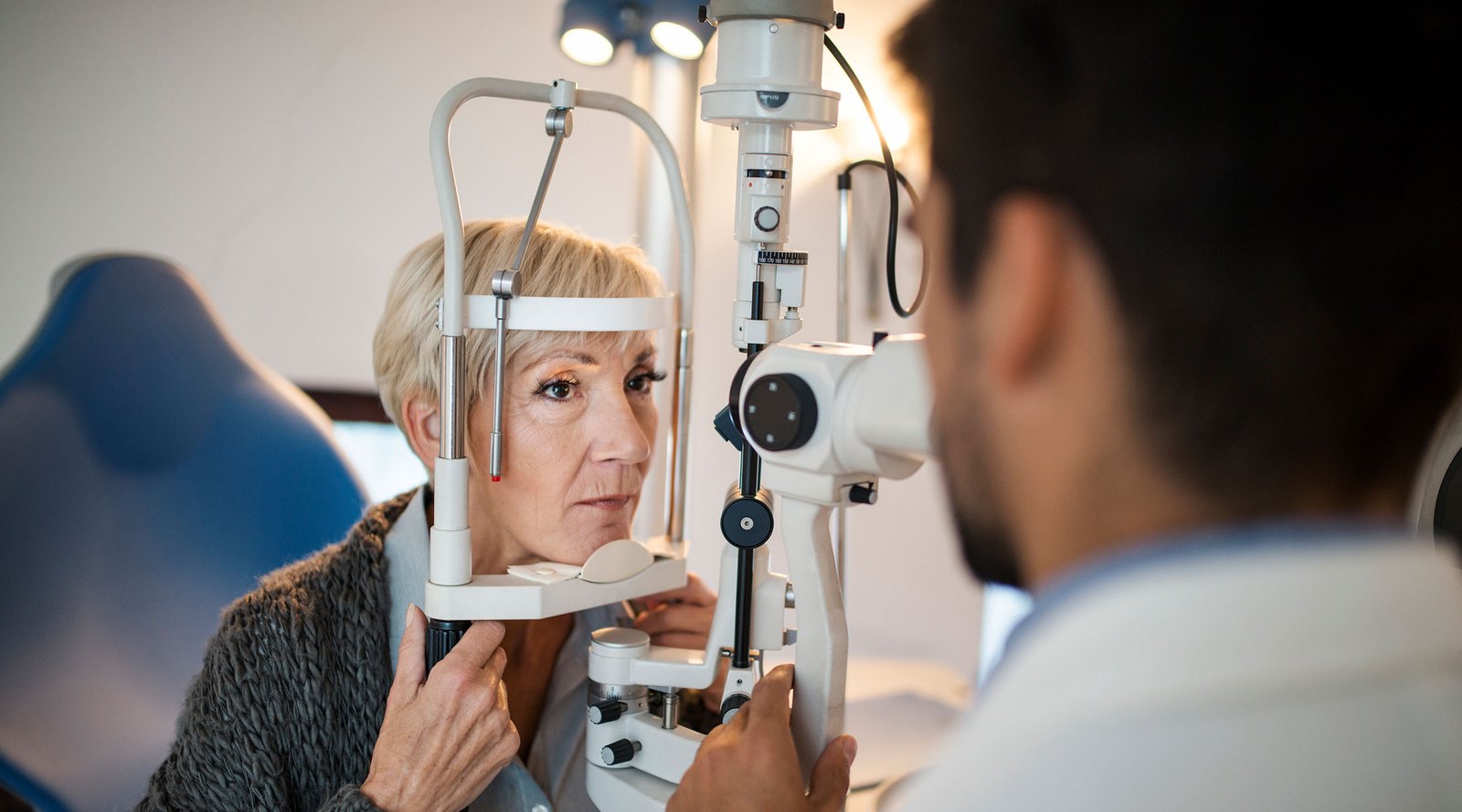
Regular eye examinations help people to enjoy healthy vision and pick up any problems early. Many of us have only realized the importance of routine eye examinations when we feel discomfort, blurred vision, or sudden changes in our vision. In the UK, the National Health Service (NHS) offers free eye tests to certain groups, this makes eye care more accessible and more affordable. Know who qualifies for this free eye test and what it includes to get the best service.
Why Does Your Eye Health Matters?
Looking after your eye and vision health is more than just ensuring you can see clearly. Eye tests can reveal signs of underlying conditions such as diabetes, glaucoma, or high blood pressure, often before other symptoms become obvious. This makes regular exams a crucial part of preventive healthcare, especially if you have a family history of eye disorders or if you notice even subtle changes in your vision. Keeping track of your eye health also supports better academic performance, workplace productivity, and overall quality of life.
What Is Included in an NHS Free Eye Test?
When you book an nhs free eye test, you receive an eye examination performed by a qualified optometrist. This process usually starts with a discussion about your medical history, current symptoms, and any vision-related concerns. This is followed by several tests, which basically measure how well your eyes work individually and together.
These tests may include checking visual acuity (how well you can read letters from a distance), examining your eye pressure, and inspecting the internal and external structure of your eyes using specialized equipment. Your color vision, depth perception, and peripheral vision may also be tested by an optometrist according to your needs. If they detect signs of any abnormalities, they refer the case to higher authorities.
Who Qualifies for Free Eye Tests?
The NHS offers free eye exams to ensure that vulnerable and high-risk individuals can access the care they need. You are eligible if you fall into one of the following categories:
- Children under the age of 16
- Teenagers aged 16–18 who are in full-time education
- Adults aged 60 or above
- Individuals diagnosed with diabetes or glaucoma
- People advised by an ophthalmologist that they are at risk of glaucoma
- Individuals who receive certain benefits, such as Income Support or Universal Credit
- Full or partial help recipients under the NHS Low Income Scheme
- People who hold a valid NHS complex lens voucher
By offering free tests to these groups, the NHS ensures that those who need it most receive timely and professional eye care.
Why Are Routine Eye Tests Important?
Even if you think your eyesight is perfectly fine, scheduling routine examinations can protect you from problems arising in the future. Many eye diseases progress very slowly and painlessly, which means you may not notice symptoms until the condition becomes advanced. Whereby, treatment can be more complicated.
Routine check-ups help optometrists to monitor changes in your eyesight over time. This allows them to spot early warning signs and recommend corrective measures, including prescription glasses, changes in lifestyle, or medical treatment. Early diagnosis significantly increases the chance of managing or slowing down eye-related issues.
Benefits of Taking Advantage of NHS Free Eye Tests
One of the major benefits of an nhs free eye test is accessibility. This service removes a huge barrier for people who would potentially delay eye care due to financial concerns. Early detection of eye conditions also helps reduce long-term healthcare costs by preventing complications.
In addition, free eye tests ensure that children receive proper vision support during their learning years. Poor eyesight can impact reading, writing, and overall performance in school.
For older adults, regular eye exams lower the risk of falls, driving accidents, and discomfort related to their vision. Since vision naturally changes with age, it is important to stay updated with regular checkups.
How Often Should You Get an Eye Test?
The frequency of eye examination is recommended based on age and health conditions. Most adults should have an eye test every two years, though children and individuals with known eye conditions may need to visit more frequently. Your optometrist will advise you based on your specific needs and changes in your vision.
Final Thoughts
Understanding how eye and vision care works, especially through accessible services such as tests provided by the NHS, allows you to take better control of your eye health. If you qualify for an nhs free eye test, it is a practical opportunity to protect your eyesight without financial stress. Whether you’re experiencing symptoms or simply due to a routine check-up, prioritizing your eye health today can help you maintain clear, comfortable, and healthy vision for the future.

Emma Rose is the founder of TryHardGuides.co.uk and a senior content strategist specializing in lifestyle, personal development, and digital entrepreneurship. With a focus on evidence-based living, she produces actionable content designed to help readers make informed life decisions and navigate the evolving tech-lifestyle landscape. As the editorial lead, Emma oversees the site’s mission to provide trustworthy, high-authority information. Her work reflects a commitment to personal growth, transparency, and the pursuit of a well-balanced, informed life.