

When people hear office design, they often think in purely aesthetic terms — colours on walls, layout of desks, or choice of chairs. But modern research and workplace trends show that office design plays a significant role in productivity, wellbeing, and even company culture. Thoughtful design isn’t just about looking good; it impacts how people work, feel, and connect.
Boosting Productivity Through Better Spaces
The way an office is arranged affects how people perform. Cluttered, dark, or poorly planned spaces can make employees feel boxed in and distracted. On the other hand, environments with natural light, comfortable seating, and functional zones can help people stay focused and energised.
Design elements like ergonomic desks, quiet zones for deep focus, and collaborative areas for team brainstorming all contribute to smoother workflows. When workers feel comfortable and supported by their environment, they’re more likely to stay engaged and complete tasks efficiently. That’s why companies that invest in office design often see measurable gains in productivity over time.
Supporting Employee Wellbeing
Office design isn’t just about productivity — it’s about people. A well-designed workspace can significantly enhance employee wellbeing. Natural light, indoor plants, and spaces for movement can reduce stress and create a sense of calm. Providing areas for breaks and social interaction makes it easier for staff to recharge and avoid burnout.
Even small things like offering adjustable lighting, access to outdoor views, or soft seating areas can improve mood and overall satisfaction. Employers who prioritise wellbeing through design send a powerful message: they value their team’s health and happiness.
Encouraging Collaboration and Innovation
Work dynamics have shifted dramatically in recent years. Many teams now rely on cross-functional collaboration and creative problem-solving. Traditional cubicle layouts can hinder interaction and limit spontaneous idea sharing. Innovative design, however, encourages mixing and mingling.
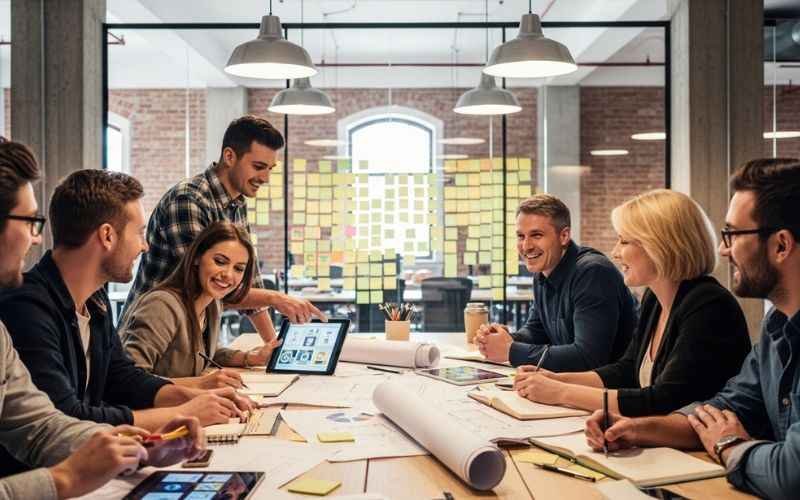
Open spaces with breakout zones, writable walls, and communal tables make it easier for ideas to flow. Even the layout of pathways and furniture can influence how often people bump into each other and spark new conversations. Thoughtful space planning turns the office into a place where collaboration happens naturally.
Reflecting Company Culture and Values
An office isn’t just a place to work — it’s a reflection of a company’s identity. When visitors walk in, they should be able to sense what the organisation stands for. A vibrant, flexible space suggests creativity and adaptability, while a more structured environment might communicate professionalism and precision.
Design choices like colour schemes, materials, and décor all contribute to the story a company tells about itself. A well-designed office can reinforce cultural values, strengthen employer branding, and even help attract top talent who want to be part of a workplace that feels aligned with their own preferences and aspirations.
Practical Ideas to Get Started
If your office feels outdated or disconnected from your team’s needs, it might be time to rethink the layout. Start by observing how people use the space daily. Do they gather in certain spots? Are there bottlenecks or underused areas? Simple changes like rearranging furniture, introducing flexible work zones, or enhancing lighting can make a big difference.
For more creative and practical inspiration, check out office interior design ideas that show how thoughtful planning and style can transform workspaces of all sizes.
Final Thoughts
Office design has far-reaching effects beyond décor. It influences productivity, wellbeing, collaboration, and culture. Investing in smart, people-centric design isn’t a luxury — it’s a strategic move that can elevate your team’s performance and satisfaction. Whether you’re planning a new space or updating an existing one, understanding the impact of design will help you create an environment where people thrive.
You May Also Like: Turning Casual Visitors Into Repeat Customers With Smart Touchpoints

Alex Taylor is a seasoned technology writer and systems specialist with over 5 years of experience in hardware maintenance and digital troubleshooting. He specializes in practical tech guides, focusing on making complex technical repairs and software optimization accessible to everyday users. Alex personally reviews and fact-checks every guide to ensure that maintenance tips are safe, effective, and budget-friendly. Whether it’s a hardware fix or a software setup, his work is driven by a passion for technical clarity and real-world utility.