
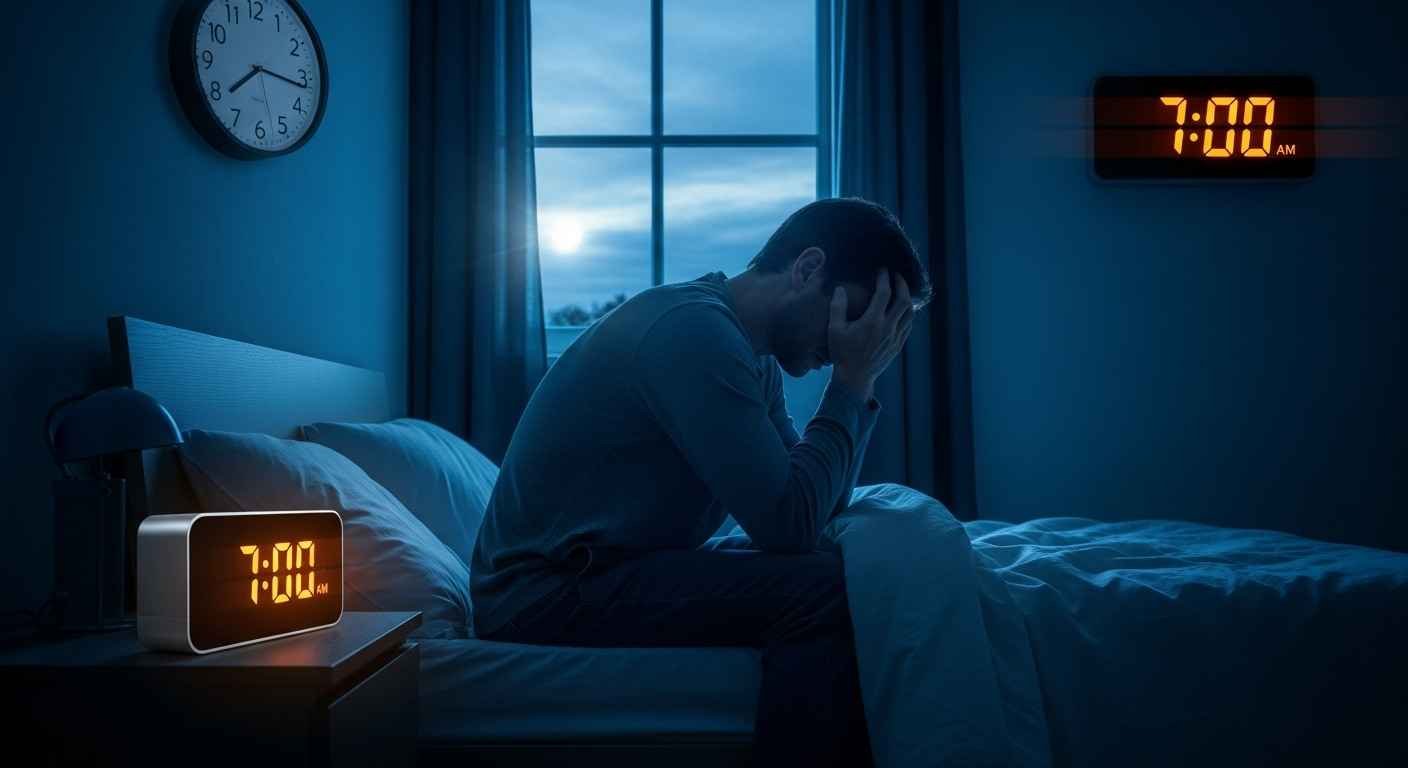
It is very common to feel a bit lost when the clocks change. You might worry about being late for work or feel tired for days after the shift. Many people struggle to remember if the clocks go forward or backward. These are real problems that affect your sleep and your daily schedule. This guide will show you exactly when the changes happened in 2025 and help you prepare for the future. You will find clear answers here that take away the stress of “falling back” or “springing forward.”
The biggest worry is often the health shift. Changing the time can mess with your heart and your mood. It feels like your body is out of sync with the sun, a condition called “social jet lag.” We understand how hard this is for families with small children who do not understand why they must wake up in the dark. This article provides expert tips to fix these issues. You will learn the history and the latest news about the laws to stay sure of your schedule.
Daylight savings time 2025 followed a clear pattern. In the spring, you lost an hour of sleep, and in the fall, you gained that hour back. This happens twice every year for most people in the United States. While most follow this rule, certain states like Arizona and Hawaii choose to stay on a single time all year. We will break down every detail so you never have to guess again about your local time.
Exactly When Daylight Savings Time 2025 Began and Ended
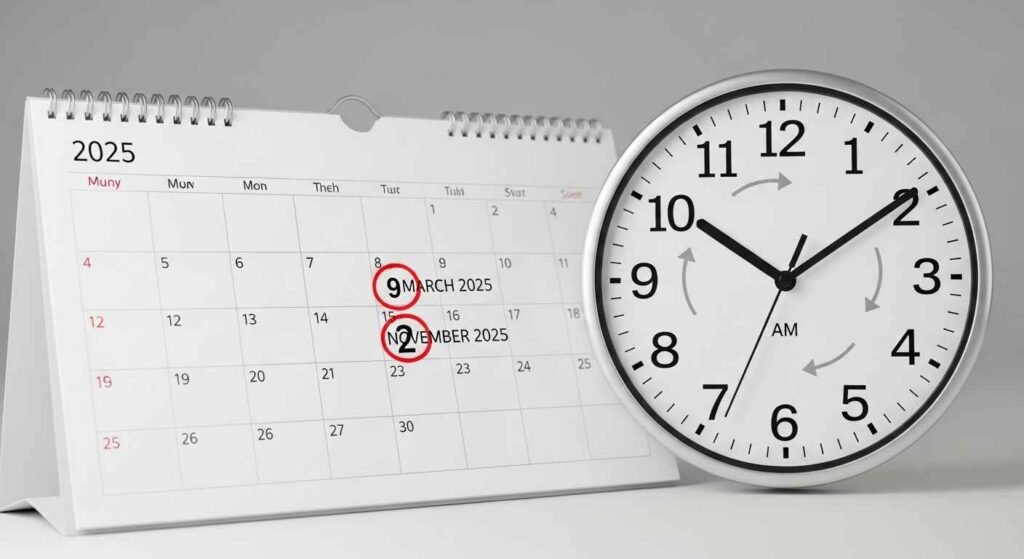
The first change of the year happened on March 9, 2025. This was the second Sunday of the month. At 2:00 in the morning, the clocks jumped to 3:00. This is what we call “springing forward.” You lost one hour of sleep that night, but the sun stayed up later in the evening. This shift is meant to align our active hours with natural sunlight. It gives you more light for outdoor fun after work or school during the warmer months.
The second change happened on November 2, 2025. This was the first Sunday of November. At 2:00 in the morning, the clocks went back to 1:00. This is called “falling back.” Most people like this change because they get an extra hour of sleep. It makes the mornings brighter for a little while, helping you wake up more easily. However, it also means the sun sets much earlier in the afternoon as we move into winter.
States That Do Not Change the Clock
Not everyone in America has to worry about changing their watches. Hawaii does not use daylight saving time at all. It is close to the equator, so the sun stays mostly the same all year. Most of Arizona also skips the change. The extreme heat in Arizona is the primary reason for this choice. People there prefer to have the sun set earlier in the summer. This helps the ground cool down sooner, making the evenings more bearable.
However, there is one exception in Arizona. The Navajo Nation does change its clocks. This is because their land reaches into other states that do change. This can make travel very tricky for visitors. If you drive across the state, you might change time zones three times. Other places like Puerto Rico and Guam also stay on standard time all year. They do not see a need to shift the hours because their daylight hours are consistent.
Why We Use Daylight Saving Time
The idea started a long time ago as a way to make the most of the sun. Germany was the first country to use it in 1916. They wanted to save fuel during World War I by using less artificial light. The United States started using it in 1918, where it was known as “war time.” After the war ended, the law was stopped, but it returned during World War II for the same reasons.
In 1966, the government made a new law called the Uniform Time Act. This made the rules the same for everyone who chooses to use it. The goal was to create a standard system for transportation and business. By shifting the clock, the government hoped to reduce the need for indoor lighting in the evening. While the reasons have evolved, the practice remains a major part of American life today.
Health and Safety During the Time Shifts
The spring time change is a significant shock to the human body. When you lose an hour of sleep, it can trigger serious health issues. Studies show that heart attacks can go up the day after the change. Your brain needs time to adjust to a new wake-up call, and even a one-hour shift can cause “micro-sleeps” during the day. This is why it is vital to prioritize rest during the transition week.
Safety on the road is another major concern. Drowsy driving is a huge danger on the Monday after we “spring forward.” It can be just as dangerous as drinking and driving. In the fall, the risk changes. When the sun sets early, it becomes much harder for drivers to see pedestrians. More people are hit by cars in the dark during the early evening commute. Taking steps to stay alert and being extra careful near bus stops can save lives.
Managing Sleep for the Whole Family
Helping your family through the time change is important for a peaceful home. Kids often have the hardest time because they rely on strict routines. To help adults adjust, try going to bed 15 minutes earlier each night for a few days before the change. This slowly moves your body clock so you do not feel the “shock” on Sunday. It is also helpful to avoid coffee late in the day during this period.
For children, focus on a very calm and quiet bedtime routine. If a child wakes up at 6:00 AM, the fall shift makes it feel like 5:00 AM. Using “sleep hygiene” can help everyone stay on track. This means keeping the bedroom dark, cool, and quiet. Avoid using tablets or phones at least an hour before bed. The light from screens can trick your brain into staying awake. Reading a physical book is a much better way to relax the mind.
The Economic Impact of the Time Change
Many people wonder if changing the clocks helps the economy. Some studies show that retail sales go up in the spring. This is because people stay out later and shop more when it is light outside. The golf and tourism industries say they make much more money during daylight saving months. This extra hour of evening light helps many small businesses stay busy and profitable.
However, there are hidden costs to these changes as well. When people are tired, they are not as productive at their jobs. Some experts say the loss of work speed and increased mistakes cost the economy millions of dollars. There are also financial burdens from increased healthcare costs related to time-change stress. While some stores make more money, other parts of the economy may actually suffer due to the disruption.
Energy Saving Facts and Myths
The original goal of daylight saving time was to save energy by using less electricity for lights. Years ago, people relied heavily on light bulbs in the evening. Some reports suggest this still saves about one percent of energy each day. However, in modern times, our energy use has changed. We now use air conditioners and computers all day long, regardless of the sun.
In hot climates, staying up later might even use more power for cooling. Some experts think the energy savings are now very small or even non-existent. This has led to a major debate about whether the practice is still useful. Many scientists now argue that the health risks outweigh the tiny amount of electricity we might save. This is why more people are asking to stop the clock changes forever.
History of Time Keeping in the United States
Long ago, every town in America had its own local time based on the sun. This made it very hard for trains to run on time. In 1883, the railroads created four standard time zones to make travel safer. Later, the government took over these zones to make them official for everyone. This was the first step toward the organized system we use today.
The Standard Time Act of 1918 was the first big law that included daylight saving. Since then, the dates for the changes have moved many times. In 2005, the law was changed to make the spring period longer to help with travel and energy. Today, we follow rules set by the Department of Transportation. These rules ensure that everyone who participates changes their clocks at the same moment.
Future Plans for Permanent Daylight Saving Time
The debate over the clocks is getting louder in Congress. Many states have already passed their own laws to stay on one time permanently. Florida and California are leading the way in wanting to keep the late sun all year. However, they cannot do this without a federal law. Congress must give them permission to stop the “fall back” shift that happens every November.
The Sunshine Protection Act is a new attempt to fix this issue. Many leaders from both parties support this bill to “lock the clock.” If it passes, we would stay on daylight saving time forever. This would mean more sun in the evening during the cold winter months. While many people are excited about this, some doctors worry that dark mornings might make it harder for people to wake up.
How Different Countries Handle the Time
The United States is not the only place that changes time. Most of Europe uses a “summer time” system. They usually change their clocks a few weeks after the United States does. This can make international business calls very confusing for a short period. For a few weeks each year, the time gap between major cities like New York and London shifts.
Many other countries have decided to stop the practice entirely. China and Japan stay on one time all year long. Most countries in Africa and South America also skip the change because they are closer to the equator. If you are traveling to another country, you should always check their local laws. Knowing the local time helps you stay on schedule and avoid missing important flights or meetings.
Preparing Your Home and Devices
Most of your modern devices will update themselves without any help. Your smartphone and laptop are programmed to know exactly when to change. However, you should still check your manual clocks. These include the ones on your wall, your microwave, and your car dashboard. It is a good idea to change these before you go to sleep on Saturday night.
You should also use this time to check your home safety equipment. Many fire departments suggest this is the best time to check your smoke alarms. You should also test your carbon monoxide detectors. If the batteries are more than six months old, replace them right away. Doing this twice a year keeps your family safe and gives you peace of mind while you adjust to the new time.
The Impact on Daily Productivity
When we change the clocks, our productivity often drops for several days. It takes about a week for the average person to feel normal again. During this time, you might find it hard to focus or feel more stressed than usual. This is a natural reaction to your brain being slightly out of sync with the clock. Even small mistakes at work can happen more often during this transition.

To stay productive, try to take it easy for the first few days. Do not plan major projects or long drives for the first Monday after the change. Give yourself extra time to get through your morning routine. Drinking plenty of water and eating healthy meals can also help your body recover. Your internal clock will eventually catch up, so being patient with yourself is the best approach.
Weather and Seasonal Changes
The time change usually happens right as the seasons are shifting. In March, we are moving into the warmth of spring. In November, we are heading into the cold of winter. This makes the time change feel even more dramatic because the weather is changing too. This affects how much time we spend outside and our general energy levels.
Understanding these seasonal shifts helps you plan your outdoor activities. You can look forward to gardening in the late spring sun or taking evening walks. In the fall, you can prepare for cozy nights in the early dark. Embracing the change in seasons makes the clock shift feel like a natural part of life. It connects us to the rhythm of the earth and the sun’s path across the sky.
Frequently Asked Questions About the 2025 Time Change
What were the official dates for daylight savings time 2025?
In 2025, the clocks went forward on March 9 and went back on November 2. These changes always happen on a Sunday at 2:00 AM local time.
Why do Hawaii and Arizona skip the change?
Hawaii is close to the equator and has consistent sunlight. Arizona skips it primarily because of the heat; they prefer an earlier sunset in the summer to allow the air to cool down.
Do I need to manually change my cell phone?
No, most smartphones update automatically via the cellular network. You only need to manually change “dumb” clocks like those on ovens or analog wall clocks.
Is it better for my health to stay on one time?
Most sleep doctors and heart specialists agree that a permanent time is better. The twice-a-year shift disrupts our circadian rhythm and can lead to health stress.
What is the status of the Sunshine Protection Act?
The bill has been introduced in Congress multiple times to make daylight saving time permanent. While it has passed the Senate before, it still needs House approval to become law.
Disclaimer:
This article provides general information about daylight savings time 2025 for educational purposes. While we strive for accuracy, time change dates and local laws can change. We are not legal or medical experts. You should not rely on this content for health advice or official scheduling. Always check with your local government or official timekeepers for the most current updates in your specific area.
You May Also Like: Ping Pong Restaurant Closures UK: What Really Went Wrong With the Brand?
For More Information, visit TryHardGuides.

Emma Rose is the founder of TryHardGuides.co.uk and a senior content strategist specializing in lifestyle, personal development, and digital entrepreneurship. With a focus on evidence-based living, she produces actionable content designed to help readers make informed life decisions and navigate the evolving tech-lifestyle landscape. As the editorial lead, Emma oversees the site’s mission to provide trustworthy, high-authority information. Her work reflects a commitment to personal growth, transparency, and the pursuit of a well-balanced, informed life.