
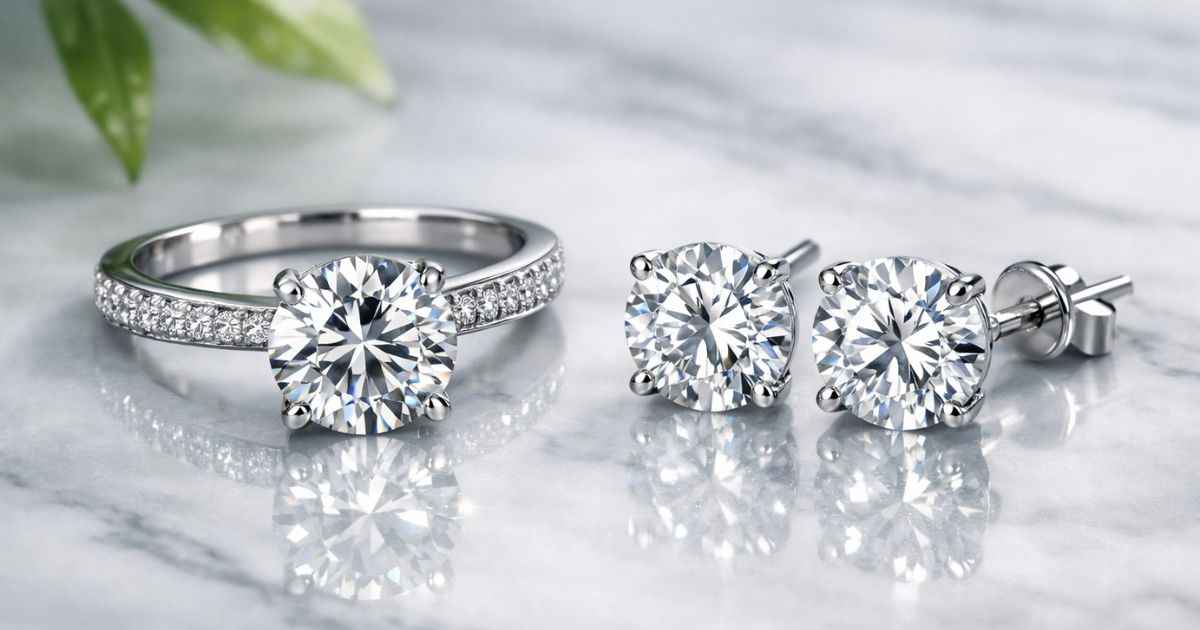
Lab-grown diamonds are changing the world of modern jewelry, offering elegance, quality, and ethical choices in one. Many buyers now prefer lab created diamonds because they are chemically, physically, and optically identical to mined diamonds while being CO2-neutral and conflict-free. These diamonds answer common questions: Are they as brilliant as natural diamonds? Are they truly ethical? Are they affordable?
Beyond these benefits, lab-created diamonds are gaining popularity for their sustainable production, stylish designs, and modern appeal. As more consumers become aware of ethical sourcing and environmental impact, synthetic diamonds are emerging as a smart choice for conscious, fashion-forward jewelry buyers.
What Are Lab-Grown Diamonds?
Lab-grown diamonds, also known as synthetic diamonds or man-made diamonds, have the same chemical composition, hardness, and brilliance as natural diamonds formed deep within the Earth. In fact, both types of diamonds are made of pure carbon arranged in the same crystal structure, which means their sparkle, durability, and optical properties are virtually identical.
Because of this identical structure, lab-created diamonds look and feel the same as mined diamonds to the naked eye. Even professional jewelers often need specialized equipment to distinguish between them.
How They Are Made
Modern technology allows scientists to recreate the natural diamond-growing process in a controlled laboratory environment. Two widely used methods include:
- High Pressure High Temperature (HPHT) – replicates the natural conditions deep inside the Earth.
- Chemical Vapor Deposition (CVD) – grows diamonds layer by layer using carbon-rich gases.
These methods allow gemologists to produce high-quality diamonds that offer the same brilliance as mined stones while reducing environmental impact.
Sustainability – Why Lab-Grown Diamonds Are Eco-Friendly
Sustainability is one of the biggest reasons buyers are turning to lab-grown diamonds. Traditional diamond mining requires significant land excavation, heavy machinery, and high energy use. In contrast, lab-grown diamonds are created in controlled environments that significantly reduce environmental damage.
Because of this process, synthetic diamonds are widely considered a more eco-friendly option for modern jewelry lovers who want luxury without harming the planet.
Eco Benefits of Lab-Created Diamonds
- No environmental damage from large-scale mining operations
- CO2-neutral production processes in many facilities
- Conservation of natural land and resources
For consumers who value sustainable jewelry and responsible luxury, lab-grown diamonds provide a meaningful alternative that aligns beauty with environmental awareness.
Ethical Advantages – Choosing Lab-Created Diamonds
Ethical sourcing has become an important factor in modern jewelry purchasing decisions. In the past, concerns about conflict diamonds and labor conditions in mining regions raised serious questions about the origin of certain gemstones.
Lab-grown diamonds offer a transparent and traceable supply chain. Because they are created in controlled laboratories, buyers can feel confident that their diamonds are free from the ethical issues sometimes associated with traditional mining.
Comparison of Diamond Sources
Mined diamonds
- Potential labor and sourcing concerns
- Environmental impact from mining activities
Lab-grown diamonds
- Traceable and conflict-free origin
- Produced in ethical and controlled environments
Choosing lab-created diamonds allows buyers to enjoy luxury jewelry while supporting responsible and ethical production practices.
Quick Comparison: Lab-Grown vs Mined Diamonds
| Feature | Lab-Grown Diamonds | Mined Diamonds |
|---|---|---|
| Brilliance | Same as natural diamonds | Same as natural diamonds |
| Price | 20–70% cheaper | Expensive |
| Ethical | Traceable, conflict-free | Possible labor/ethical concerns |
| Environmental Impact | Low CO2, minimal land use | High land and resource use |
| Availability | Modern designer collections | Limited, traditional sources |
Lab-grown diamonds offer the same sparkle and durability as mined diamonds. They cost less and come from ethical, traceable sources. Mined diamonds may have ethical or environmental concerns. This quick view helps readers make smart, informed choices.
Affordable Luxury – Price Advantages of Lab-Grown Diamonds
Another reason for the growing popularity of lab-grown diamonds is their price advantage. In many cases, synthetic diamonds cost significantly less than mined diamonds of similar quality.
This difference is particularly noticeable with colored diamonds, where lab-created options can often be 70–80% less expensive while still maintaining exceptional brilliance and clarity.
Why Lab-Grown Diamonds Offer Better Value
- Same brilliance and durability as mined diamonds
- More affordable pricing for larger or colored stones
- Excellent option for buyers seeking luxury within a realistic budget
For many consumers, this combination of quality and affordability makes lab-grown diamonds an attractive choice for engagement rings, necklaces, earrings, and other fine jewelry.
Lab-Grown Diamonds in Modern Fashion & Jewelry Trends
Lab-grown diamonds are no longer considered a niche product. Today they are increasingly featured in designer collections, luxury jewelry brands, and sustainable fashion movements.
As fashion trends evolve, many designers and jewelry houses are embracing synthetic diamonds as a way to combine elegance with environmental responsibility. These diamonds appear in everything from minimalist engagement rings to bold statement jewelry worn at luxury events.
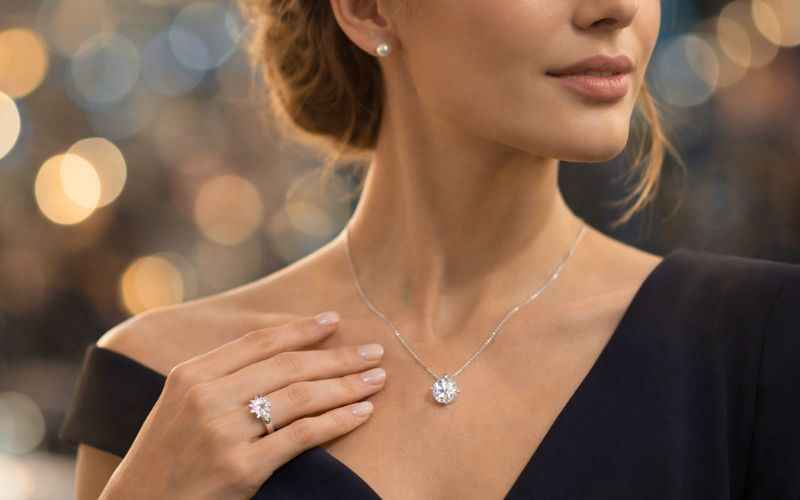
Modern consumers appreciate jewelry that reflects both style and values. As a result, lab-grown diamonds are becoming a mainstream choice among buyers who want their accessories to represent both beauty and sustainability.
How to Choose the Right Lab-Grown Diamond
Selecting a lab-grown diamond follows the same basic principles as choosing a natural diamond. Buyers should consider quality factors that influence the appearance and value of the stone.
Important Factors to Consider
- Certification – Ensure the diamond has certification from a recognized gemological laboratory
- Color and clarity – Evaluate the visual purity and brightness of the stone
- Carat weight – Choose a size that fits both style preferences and budget
- Ethical sourcing – Confirm the brand follows responsible production standards
By focusing on these elements, buyers can confidently select a lab-grown diamond that meets both aesthetic and ethical expectations.
Actionable Buying Guide / Checklist
- Check certification from recognized labs like GIA, IGI, or HRD.
- Evaluate color, clarity, and carat carefully.
- Confirm the brand follows ethical sourcing standards.
- Decide your budget and compare lab-grown vs mined options.
- Choose a design that fits your style and supports sustainability.
Following this checklist ensures you get a high-quality, ethically produced diamond. It saves money and aligns with modern values.
Common Mistakes to Avoid
- Buying without proper certification.
- Overlooking color or clarity when choosing a stone.
- Choosing only the size over brilliance or cut quality.
- Assuming all lab-grown diamonds cost the same.
Avoiding these mistakes protects your investment and ensures satisfaction. Readers get practical, actionable advice they can trust.
Future of Synthetic Diamonds
Technological innovation continues to improve the quality and accessibility of lab-grown diamonds. As production techniques advance, these diamonds are becoming more widely available while maintaining exceptional standards of clarity and brilliance.
Industry experts predict that synthetic diamonds will play an increasingly important role in the future of jewelry. With their combination of sustainability, ethical sourcing, and affordability, they represent a modern evolution of luxury gemstones.
As awareness grows, more consumers are likely to explore lab-created diamonds as a responsible alternative to traditional mining.
Conclusion – Why Lab-Grown Diamonds Are a Smart Choice
Lab-grown diamonds combine the timeless beauty of traditional diamonds with modern values such as sustainability, transparency, and affordability. Because they are chemically, physically, and optically identical to mined diamonds, buyers do not have to compromise on brilliance or durability.
At the same time, these diamonds offer meaningful advantages, including CO2-neutral production, ethical sourcing, and significantly lower prices for many stones. For today’s conscious consumers, synthetic diamonds represent a forward-thinking choice that blends luxury with responsibility.
As awareness continues to grow, lab-grown diamonds are shaping the future of modern jewelry by proving that elegance, innovation, and sustainability can exist together.
FAQs – Lab-Grown Diamonds Answered
Are lab-grown diamonds as hard as natural ones?
Lab-grown diamonds have the same hardness and durability as mined diamonds. You get the same strength and long-lasting sparkle.
How can I tell a lab-grown diamond from a mined diamond?
Only specialized labs or professional jewelers with equipment can tell the difference. To the naked eye, they look identical.
Do lab-grown diamonds hold value over time?
While they may not always increase in resale value like some mined diamonds, lab-grown diamonds offer affordability and ethical benefits, making them a smart choice.
Are colored lab-grown diamonds more affordable than mined ones?
Yes, colored synthetic diamonds can cost 70–80% less than mined colored diamonds while maintaining the same brilliance and quality.
You May Also Like: All About Luxury: Discover the Most Expensive Watch in the World

Emma Rose is the founder of TryHardGuides.co.uk and a senior content strategist specializing in lifestyle, personal development, and digital entrepreneurship. With a focus on evidence-based living, she produces actionable content designed to help readers make informed life decisions and navigate the evolving tech-lifestyle landscape. As the editorial lead, Emma oversees the site’s mission to provide trustworthy, high-authority information. Her work reflects a commitment to personal growth, transparency, and the pursuit of a well-balanced, informed life.