
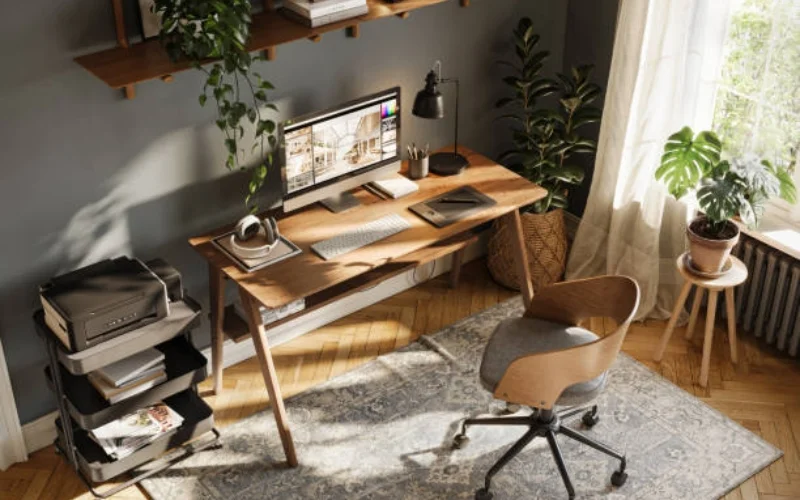
The modern workplace is undergoing a radical transformation. As organizations prioritize employee health and operational efficiency, integrating smart technology into office design has become a strict business imperative.
Building a smart ergonomic workspace is no longer a luxury, but a baseline requirement for competitive enterprises looking to maximize human performance.
The Evolution of Modern Office Ergonomics
Historically, office environments relied on fixed workstations, forcing employees into static postures for hours. This outdated model led to a surge in musculoskeletal issues and diminished productivity across corporate sectors.
Today, the paradigm has shifted toward dynamic work environments. Modern ergonomics leverages data and advanced engineering to adapt the workspace to the human body, rather than the other way around.
This evolution integrates seamlessly with modern business tech tools, creating ecosystems that actively promote daily movement and sustained well-being.
Core Components of a Smart Workspace
Intelligent Sit-Stand Desks and Linear Motion Technology
The foundation of any dynamic office is the height-adjustable desk. However, the true value of these stations lies hidden beneath the surface.
When selecting a smart sit-stand desk, the underlying linear motion technology is far more critical than the aesthetic of the tabletop itself. Industry standards now dictate that these hidden mechanisms must operate seamlessly in professional environments without causing auditory distractions.
For instance, commercial-grade Hoodland typically features a noise level of under 50dB and is rigorously stress-tested for up to a 30,000-cycle lifespan, ensuring long-term reliability for continuous office use.
Choosing the right desk requires analyzing specific mechanical capabilities. Here is a breakdown of how smart desks outpace traditional models:
Ergonomic Seating and Posture Tracking
A motorized desk must be paired with an adaptive chair. Traditional seating is rapidly being replaced by chairs equipped with posture-tracking sensors.
- Real-time feedback: Integrated sensors monitor spinal alignment and alert users via app notifications when they begin to slouch.
- Dynamic lumbar support: Smart chairs automatically adjust backrest tension based on the user’s weight shifts and micromovements.
- Pressure distribution: Advanced mesh materials prevent blood pooling in the lower extremities during prolonged tasks.
How to Measure the ROI of an Ergonomic Setup
Upgrading to a smart workspace requires capital, but the Return on Investment (ROI) is highly measurable for HR and operations teams.
- Reduced Absenteeism: High-quality ergonomic setups drastically lower sick days related to chronic back pain and repetitive strain injuries.
- Increased Productivity: Employees working in pain-free, adaptable environments show higher cognitive function and faster task completion rates.
- Talent Retention: Providing state-of-the-art health tech is a major differentiator for recruitment.
Integrating these physical setups with holistic corporate wellness strategies ensures long-term employee satisfaction and lower turnover rates.
Common Mistakes to Avoid When Upgrading Office Tech
When procuring new equipment, facility managers often make critical errors that negate the core benefits of ergonomic upgrades.
- Ignoring Motor Noise: Cheap desk motors easily exceed 60dB, causing severe auditory distractions in quiet, open-plan offices.
- Insufficient Weight Capacity: Desks with weak linear actuators cannot support multi-monitor setups, leading to eventual motor burnout.
- Short Mechanical Lifespan: Consumer-grade desks often fail before reaching 10,000 cycles, resulting in costly replacements and excess electronic waste.
Key Takeaways
| Area | Key Takeaway | Impact/Data |
| Desk Tech | Prioritize commercial linear motion | <50dB noise; 30,000-cycle life |
| Smart Chairs | Deploy posture-tracking sensors | Real-time alerts; dynamic lumbar support |
| Procurement | Avoid consumer-grade weak motors | >60dB distraction; <10,000-cycle burnout |
| Business ROI | Reduce musculoskeletal absenteeism | Higher retention; faster task completion |
Future Trends in Workplace Health Technology
The workplace of the future will be highly predictive. AI-driven desks will automatically adjust heights based on the user’s schedule and biometric data, seamlessly encouraging movement without requiring manual input.
Transitioning to a smarter, dynamic workspace isn’t merely a corporate perk; it is a fundamental intervention for long-term occupational health. Leading medical experts and global health organizations have consistently warned that reducing sedentary behavior is essential, as the adverse effects of prolonged sitting are closely linked to an increased risk of musculoskeletal disorders and metabolic syndrome.
By investing in reliable, commercial-grade hardware today, businesses can future-proof their operations and safeguard their most valuable asset: their workforce.

Alex Taylor is a seasoned technology writer and systems specialist with over 5 years of experience in hardware maintenance and digital troubleshooting. He specializes in practical tech guides, focusing on making complex technical repairs and software optimization accessible to everyday users. Alex personally reviews and fact-checks every guide to ensure that maintenance tips are safe, effective, and budget-friendly. Whether it’s a hardware fix or a software setup, his work is driven by a passion for technical clarity and real-world utility.