
Last Updated: 11/April/2026
If you often feel tired, stressed, or have trouble sleeping, nature might have a simple answer for you. Many people look for expensive pills to feel better, but an ancient fruit called Žižole has been doing the job for thousands of years. This small, powerful fruit is a hidden treasure in places like Slovenia and Croatia. Whether you call it Žižole, Jujube, or the Chinese Date, this superfood can help transform your health.
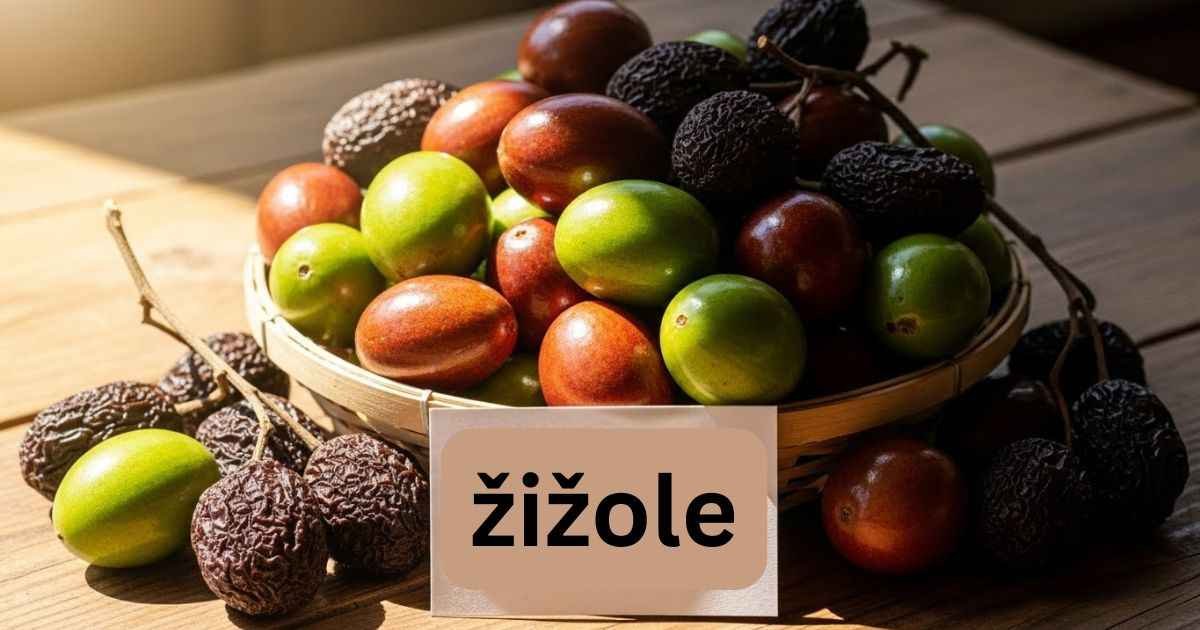
What are Žižole? They are small fruits from the Ziziphus jujuba tree. They look like tiny green apples when fresh and turn into sweet, wrinkled red dates when dried. This guide explains why this fruit is so special and how you can use it to feel your best.
Quick Facts About Žižole
| Feature | Details |
| Scientific Name | Ziziphus jujuba |
| Other Names | Jujube, Chinese Date, Red Date |
| Primary Origin | China (now grown across the Mediterranean) |
| Best Taste | Sweet, crispy (fresh) or caramel-like (dried) |
| Harvest Season | Late September to October |
| Key Nutrient | High Vitamin C and Dietary Fiber |
Žižole vs. Jujube: Are They the Same?
Many people get confused when they see different names for the same fruit. In the Mediterranean regions of Slovenia and Croatia, people call them Žižole. However, in Asia and the United States, they are most commonly known as Jujube.
They are exactly the same fruit. The only difference is the local culture and how people use them. In Europe, they are a staple of the coastal diet. In China, they are a major part of traditional medicine. No matter what name you use, the health benefits remain the same. Using the name Žižole connects you to the rich history of the Adriatic coast where these trees have grown for centuries.
Nutrition Profile: The Vitamin C Powerhouse
One of the main reasons to eat Žižole is the incredible amount of vitamins inside. Most people think of oranges when they need Vitamin C, but this fruit is actually a much better source. Vitamin C, also known as ascorbic acid, is vital for keeping your body strong.
- Žižole (100g): Contains about 69-70 mg of Vitamin C.
- Orange (100g): Contains about 53 mg of Vitamin C.
Eating just a handful of these fruits can provide more than 100% of your daily needs. Along with Vitamin C, they contain essential minerals like potassium and iron. Potassium helps your heart stay healthy, while iron ensures your blood carries enough oxygen to your brain and muscles. These nutrients work together to keep your energy levels high all day long.
Top Health Benefits of Žižole
The health powers of this fruit go far beyond just vitamins. Science shows that the natural chemicals inside can fix specific problems in the body.
Natural Sleep and Anxiety Relief
If you struggle with a racing mind at night, Žižole can help. The fruit contains special compounds called saponins. These act like a natural sedative for your nervous system. They tell your brain it is time to relax and lower your stress levels. Unlike modern medicine, this fruit helps you fall asleep without making you feel dizzy or tired the next morning.
Better Digestive Health
The fruit is packed with dietary fiber. Fiber is important because it acts like a natural broom for your gut. It moves food through your system smoothly and prevents bloating. Regular use of this fruit can improve your gut microbiome, which is the collection of good bacteria in your stomach. A healthy gut means you will feel lighter and have a stronger immune system.
Immune System Boost
Žižole are full of antioxidants like flavonoids. These are like tiny shields that protect your cells from damage. This damage, called oxidative stress, is what makes us get sick or feel old. By eating antioxidant-rich foods, you help your body fight off viruses and stay young on the inside.
How to Eat Žižole: Fresh vs. Dried
You can enjoy this fruit in two different stages. Each stage offers a different taste and texture.
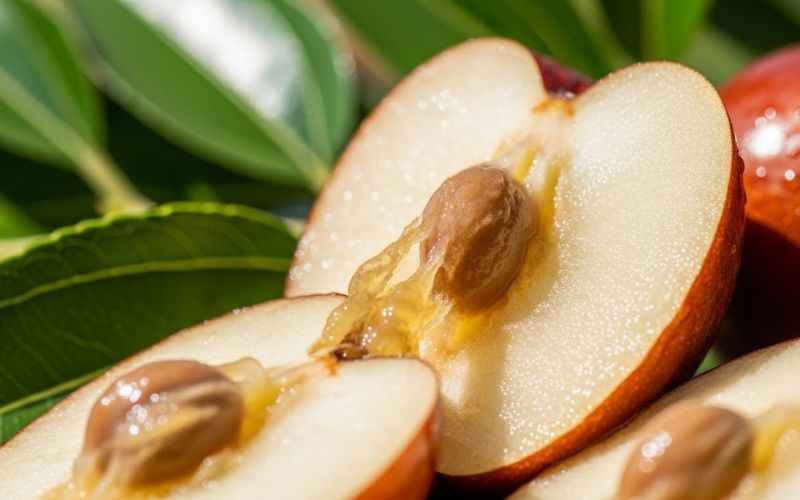
- Fresh Žižole: These are green or yellowish with brown spots. They are very crunchy and taste like a mild, sweet apple. Many people in Mediterranean villages eat them raw right off the tree during the autumn harvest.
- Dried Žižole: As the fruit sits in the sun, it turns dark red and gets wrinkled. The water leaves, and the sugar becomes concentrated. It becomes chewy and tastes like a mix of caramel and honey. This version is perfect for snacking or long-term storage.
Pro Tip: To store dried fruits, keep them in an airtight glass jar in a cool, dark place. They can stay fresh and tasty for up to a year.
Culinary Uses: Beyond Just Snacking
While eating them raw is great, you can use Žižole to make delicious treats and remedies. Adding this fruit to your kitchen routine is a great way to improve your diet.
Simple Žižole Tea Recipe
This tea is famous for helping with sore throats and stress.
- Take 5 to 7 dried fruits and slice them open.
- Boil them in two cups of water for 10 minutes.
- Add a small slice of ginger or a teaspoon of honey.Drink this warm before bed for a deep, peaceful sleep.
Slovenian Style and Modern Cooking
In traditional Slovenian cooking, these fruits are used to make unique jams and even dumplings. You can also chop dried pieces and add them to your morning oatmeal or yogurt. They add a natural sweetness so you do not have to use white sugar. Some people even toss them into salads for a chewy, sweet surprise that pairs well with nuts.
Identifying and Growing Žižole Trees
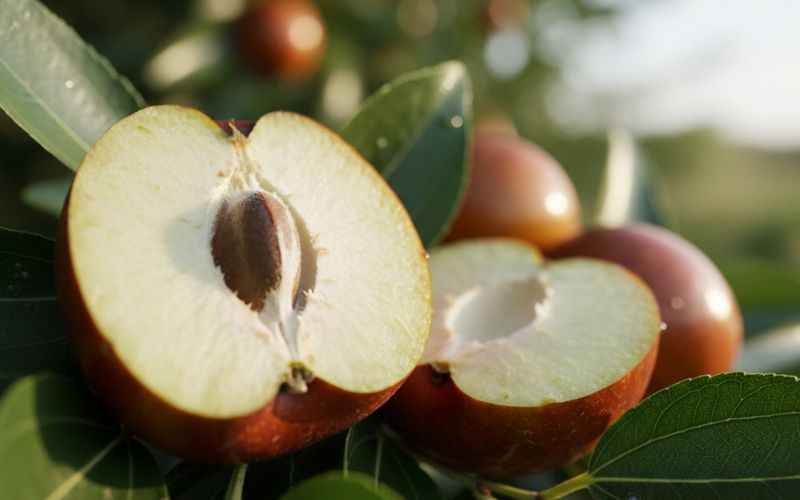
The Ziziphus jujuba tree is very tough and easy to identify. It loves the hot sun and does not mind dry soil. This makes it perfect for the Mediterranean climate. The trees are usually small to medium in size and have shiny green leaves.
If you look closely, the branches often have small thorns. In the late summer, the tree grows tiny yellow flowers that smell very sweet. The fruit begins to ripen in September. If you have a sunny spot in your garden, you can grow your own tree. They require very little water and rarely get sick from pests. It is a sustainable plant that helps the environment while providing you with free superfood every year.
Comparison: Žižole vs. Regular Dates
People often think these are the same as the dates that grow on palm trees. However, they are quite different.
| Feature | Žižole (Jujube) | Regular Dates |
| Vitamin C | Very High | Very Low |
| Sugar Level | Moderate | Very High |
| Texture | Crunchy or Chewy | Very Soft and Sticky |
| Main Benefit | Sleep and Immunity | Quick Energy |
Žižole is a better choice if you are watching your sugar intake but still want something sweet and healthy.
Safety and Side Effects
For most people, this fruit is very safe to eat. It is a natural food used by families for generations. However, there are a few things to keep in mind.
If you take medicine for your blood sugar or sleep, talk to a doctor first. Because the fruit is so good at relaxing the body, it might make your medicine feel stronger. Also, always remember to remove the hard pit from the center of the fruit. The pit is not edible and can be a choking hazard, especially for small children. Start by eating just a few fruits to see how your stomach feels with the extra fiber.

Common Questions About Žižole (FAQs)
This section answers the most common questions people ask about this Mediterranean superfood. These answers will help you use the fruit safely and effectively.
Can I eat the skin of Žižole?
Yes, you should definitely eat the skin. The skin is very thin and holds the highest concentration of nutrients. Whether you are eating the fruit fresh or dried, keeping the skin on ensures you get the most dietary fiber and antioxidants. It is soft enough to chew easily and does not have a bitter taste.
What does Žižole taste like?
The taste of Žižole changes depending on how ripe it is. When the fruit is fresh and green, it tastes like a sweet, crisp apple with a mild flavor. Once it is dried and turns brown, the flavor becomes much deeper. It tastes like a soft date with a hint of natural caramel or honey. It is sweet but not as sugary as processed candy, making it a healthy snack choice.
Is it safe for children to eat?
Yes, this fruit is a safe and healthy snack for children. Kids usually love the sweet, chewy texture of the dried version. However, there is one important safety rule: you must remove the hard pit from the center before giving it to a child. The pit is a choking hazard and is not edible. Once the pit is gone, the fruit provides a natural way to give kids extra Vitamin C without using sugary supplements.
How many Žižole should I eat in a day?
For most healthy adults, eating a handful (about 5 to 10 fruits) is a perfect daily amount. If you are eating the dried version, keep in mind that the natural sugars are more concentrated, so 3 to 5 pieces are usually enough. Eating a small amount consistently is the best way to support your digestion and sleep patterns over time.
Where can I find Žižole fruit?
You can usually find fresh Žižole in local markets across Slovenia, Croatia, and Italy during the autumn months. If you live outside of the Mediterranean, you can find the dried version (often labeled as Jujube) in health food stores, Asian grocery stores, or online. Always look for organic options that do not have added sugars or preservatives.
Conclusion
The Žižole is more than just a tasty snack; it is a gift from the ancient world. It offers a natural way to boost your immune system, fix your digestion, and finally get the sleep you deserve. By adding this Mediterranean superfood to your life, you are choosing a path of simple, natural wellness. Look for them at your local market or health store and start your journey to better health today.
Disclaimer:
This guide is for learning only. It is not medical advice. While this fruit is a natural food, it can affect everyone in a different way. Always talk to a doctor before using it to treat a health problem. This is very important if you are pregnant or taking medicine. We are not responsible for any health changes after reading this guide. Use natural foods with care and expert help.
You May Also Like:
What Self Care Is LWSpeakCare: The Simple Guide to Feel Better Fast
Temporomandibular Joint Dysfunction Self-Care: 10 Best TMJ Exercises
For More Information, visit TryHardGuides.

Emma Rose is the founder of TryHardGuides.co.uk and a senior content strategist specializing in lifestyle, personal development, and digital entrepreneurship. With a focus on evidence-based living, she produces actionable content designed to help readers make informed life decisions and navigate the evolving tech-lifestyle landscape. As the editorial lead, Emma oversees the site’s mission to provide trustworthy, high-authority information. Her work reflects a commitment to personal growth, transparency, and the pursuit of a well-balanced, informed life.