
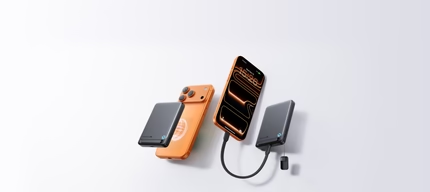
In an era defined by rapid technological advancement, the environmental cost of staying connected has reached a critical turning point. As consumers, our reliance on mobile energy has led to a massive increase in electronic waste, making the choice of a portable charger more than just a matter of convenience. Opting for a sustainable power solution is now a vital step for any eco-conscious traveler. By understanding how these devices are made and how they impact the planet, we can maintain our digital lifestyles without compromising the health of our environment.
Sustainable Materials Choosing Products Made from Recycled Components
The first step in choosing a greener power source is examining the materials used in the manufacturing process. Many leading brands are now replacing virgin plastics with Post-Consumer Recycled (PCR) materials to reduce their carbon footprint. When you purchase a high-quality USB charger built from recycled housing or bio-based composites, you are directly supporting a circular economy. Furthermore, look for products that utilize plastic-free packaging, as minimalist cardboard boxes are much easier to recycle than the traditional blister packs that clog our landfills.
Longevity Matters How High Quality Engineering Reduces E Waste
The most sustainable product is always the one that lasts the longest. Investing in a durable power bank for iPhone or other premium smartphones means you won’t need to replace it every year, which is the most effective way to reduce e-waste. High-quality lithium-polymer cells and advanced battery management systems ensure that the device can handle hundreds of charge cycles without significant degradation. By prioritizing engineering excellence over the lowest price, you ensure that your gear stays in your bag and out of the trash.
Energy Efficiency Maximizing Power with Minimal Environmental Impact
Environmental responsibility also extends to how efficiently a device transfers energy. High-efficiency power conversion is a key technical feature that minimizes electricity loss during the charging process.
Solar Powered Integration for the Eco Adventurer
For those who spend significant time off the grid, solar-integrated units provide a clean way to harness renewable energy. While built-in panels are often small, they serve as an excellent emergency resource, allowing you to top up your devices using nothing but sunlight.
The Role of GaN Technology in Efficiency
Gallium Nitride (GaN) is a revolutionary material that allows chargers to be smaller and more efficient than traditional silicon-based models. These devices generate less heat, which not only saves energy but also extends the lifespan of the internal components.
Responsible Disposal The Essential Guide to E Waste Management
Even the most durable charger will eventually reach the end of its life, and how you dispose of it is crucial for environmental safety. Lithium batteries contain chemicals that can be hazardous if they leak into the soil or water supply.
Brand Take Back Programs and Recycling Initiatives
Many reputable manufacturers now offer take-back programs where they professionally recycle your old tech. Before buying a new device, check if the brand has a clear policy for handling end-of-life products, as this demonstrates a genuine commitment to sustainability.
Finding Local E Waste Recycling Centers
Never throw a battery in the regular trash. Most cities have dedicated e-waste drop-off points or specialized recycling centers that can safely extract valuable metals from old circuit boards and batteries, ensuring that resources are reused rather than wasted.
Conclusion
Sustainability in the tech world is achieved through a balance of eco-friendly materials, high energy efficiency, and long-term durability. By choosing a power solution that aligns with these green principles, you are making a positive impact on the planet while staying powered for your adventures. Making an informed purchase today ensures that we can enjoy a high-tech future without sacrificing the natural world.

Alex Taylor is a seasoned technology writer and systems specialist with over 5 years of experience in hardware maintenance and digital troubleshooting. He specializes in practical tech guides, focusing on making complex technical repairs and software optimization accessible to everyday users. Alex personally reviews and fact-checks every guide to ensure that maintenance tips are safe, effective, and budget-friendly. Whether it’s a hardware fix or a software setup, his work is driven by a passion for technical clarity and real-world utility.