
Planning events used to mean scribbled notes, sticky reminders on the fridge, and hoping nothing slipped through the cracks. Whether it was a birthday party, a holiday gathering, or a community event, coordination relied heavily on memory and manual lists.
Today, digital calendars have transformed how people plan and manage events. What once felt overwhelming can now be structured, scheduled, and synced across devices. For busy professionals, families, and anyone juggling multiple responsibilities, this shift has made event planning far less stressful.
More importantly, digital tools don’t just help with business meetings and deadlines, they’re equally powerful for personal life.
The Evolution of Event Planning
Traditional planning methods worked when schedules were simpler. But modern life is layered with work commitments, school activities, travel, and social obligations. Trying to coordinate events without digital support often leads to double bookings or forgotten tasks.
Digital calendars changed this by creating a central hub for planning. Instead of scattered notes, everything lives in one accessible place.
A well-used calendar can track:
- Event dates
- Task deadlines
- Guest RSVPs
- Vendor bookings
- Shopping reminders
- Travel plans
When information is organized, planning feels manageable rather than chaotic.
Syncing Across Devices Matters
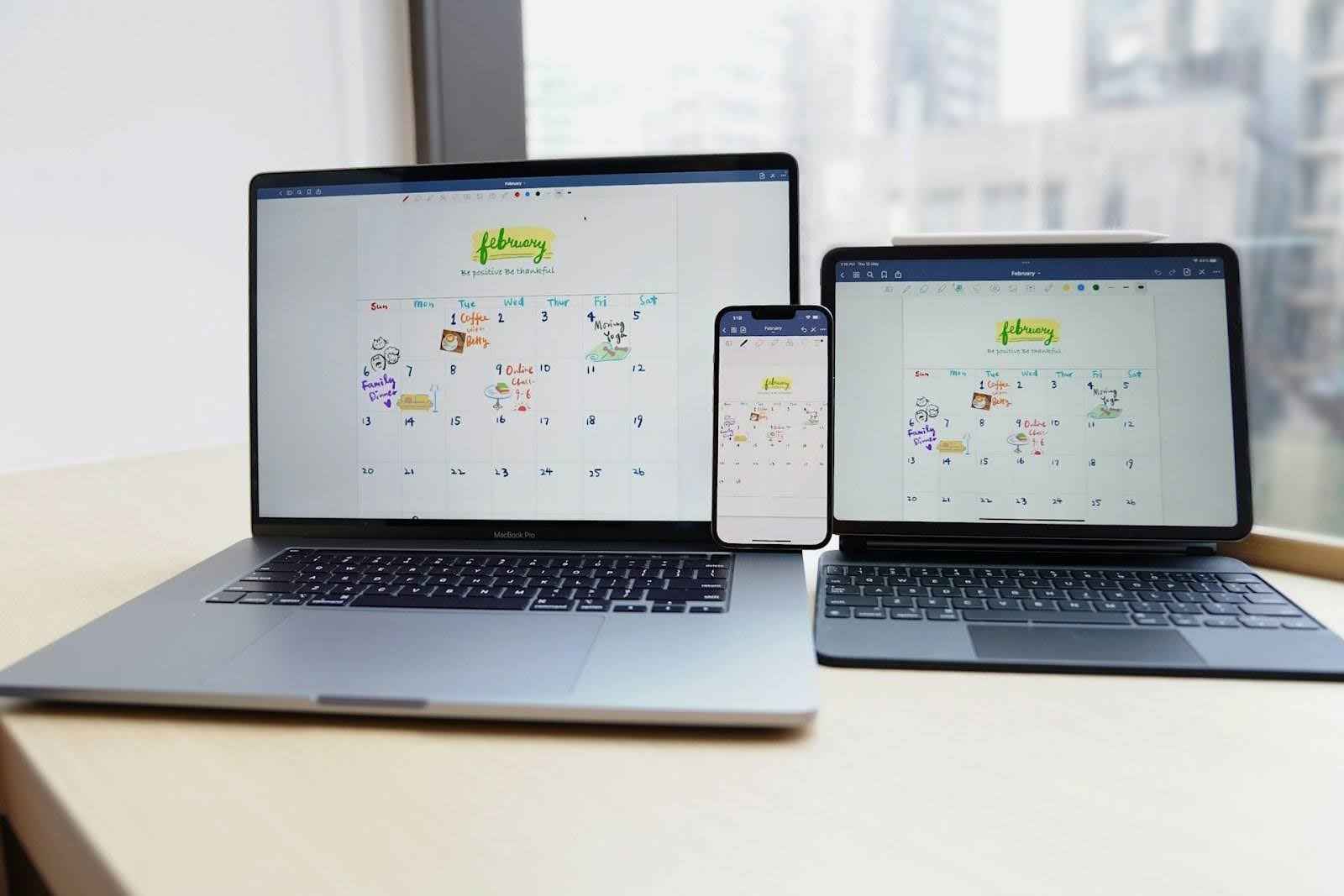
One of the biggest advantages of modern digital calendars is syncing. Your plans travel with you, from laptop to phone to tablet. That means updates happen in real time, and everyone involved can stay informed.
For example, families often share calendars to coordinate activities. If one person schedules a dinner or party, others see it instantly. This reduces confusion and prevents scheduling conflicts. For professionals who plan events or client gatherings, syncing ensures nothing is missed while on the go.
Breaking Events Into Steps
Large events feel easier when broken into smaller tasks. Digital calendars allow you to set reminders weeks or months in advance.
You might create reminders for:
- Sending invitations
- Ordering supplies
- Confirming bookings
- Preparing food
- Day-of setup tasks
Spacing these reminders out reduces last-minute stress. Instead of doing everything at once, you follow a manageable timeline.
Using Contacts for Smarter Coordination
Event planning often involves reaching out to multiple people. Having organized contact lists saves time. Many digital tools allow notes, categories, and quick access to communication history.
Instead of searching through messages or emails, you can quickly contact vendors, friends, or service providers. For people who host regularly, maintaining organized contacts makes repeat planning even easier.
Planning Seasonal Celebrations
Seasonal events often require extra coordination because they involve travel, shopping, and group schedules. Planning ahead becomes especially valuable.
Digital calendars help people map out busy periods so they don’t overcommit. Seeing the bigger picture prevents burnout during high-activity seasons.
When planning celebration details, people often research ideas in advance. For example, someone organizing a holiday gathering might look up where to buy fireworks as part of their preparation, alongside food planning and guest coordination. Having these tasks noted in a calendar ensures nothing is forgotten.
Reducing Mental Load
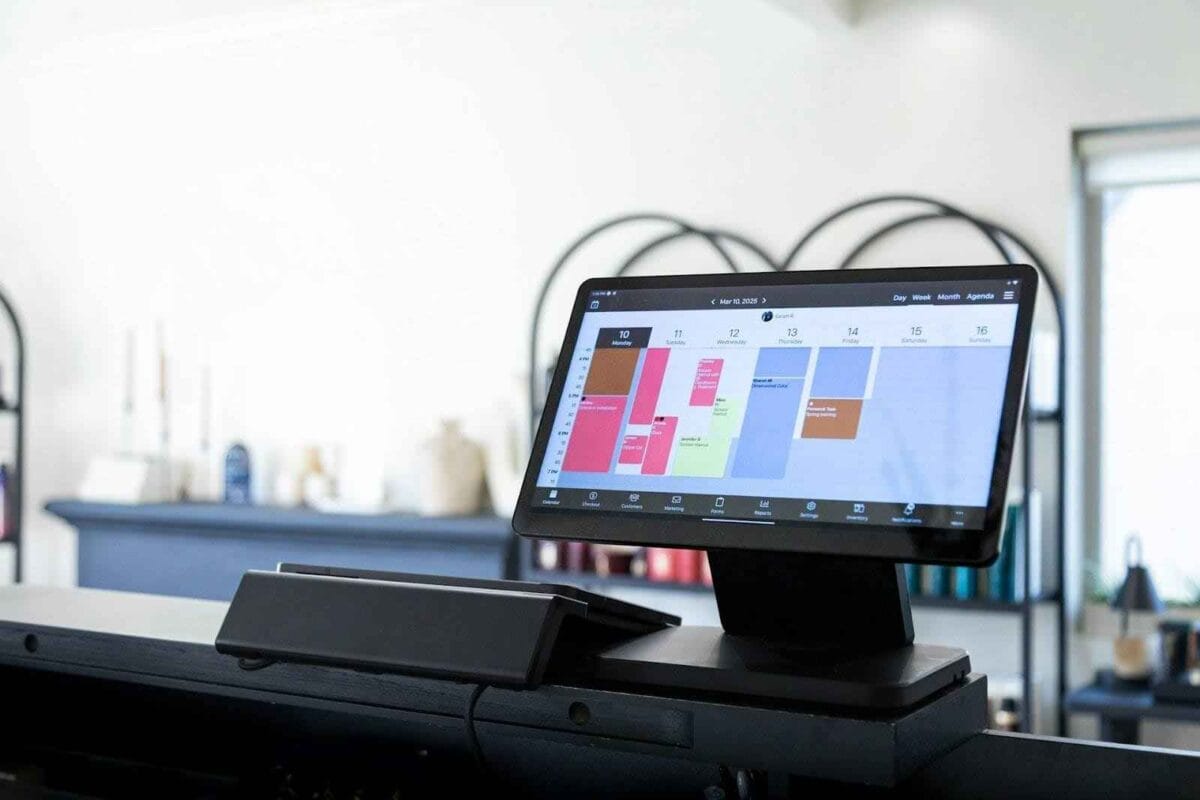
One underrated benefit of digital planning is reduced mental load. When tasks live in your head, they create stress. When they live in a system you trust, your mind is freer.
Productivity experts often emphasize that organization isn’t about perfection, it’s about clarity. Knowing what needs to happen and when brings calm.
Digital Planning for Work and Life
Many people already rely on syncing tools to manage their professional responsibilities, but the same systems can be just as valuable for personal life. Blending work and personal planning into one reliable system can improve balance and reduce scheduling conflicts.
When your calendar reflects your real life, not just meetings, you gain better control over your time. Productivity experts often emphasize this idea. For example, time-management research highlighted by Harvard Business Review has noted that individuals who plan both personal and professional commitments in one integrated system are more likely to follow through on priorities and experience lower stress levels. Seeing the full picture of your commitments helps you make more realistic decisions about your time.
This approach becomes especially useful when planning social gatherings or family events. Scheduling time to prepare the backyard, organize seating, or even test a new propane grill for a weekend barbecue ensures that personal commitments receive the same thoughtful attention as work tasks. Treating these preparations as real calendar items, rather than last-minute add-ons, helps prevent overlap, rushed setups, and unnecessary stress.
Integrating work and life planning doesn’t mean blending boundaries; it means creating visibility. When both professional deadlines and personal moments are mapped out clearly, it becomes easier to protect time for what matters most.
The Human Side of Organization
Technology doesn’t replace the joy of events. It supports it. Good planning creates space to actually enjoy gatherings instead of worrying about logistics.
Guests remember relaxed hosts, not perfectly timed schedules. Digital tools simply help hosts reach that relaxed state.
Digital calendars have quietly become powerful life-management tools. They help people coordinate events, remember details, and reduce stress. Whether planning a meeting or a family celebration, organization leads to better experiences.
In a world where time feels limited, tools that simplify planning are more valuable than ever. Because when logistics run smoothly, you can focus on what matters most, enjoying the moment.

Emma Rose is the founder of TryHardGuides.co.uk and a senior content strategist specializing in lifestyle, personal development, and digital entrepreneurship. With a focus on evidence-based living, she produces actionable content designed to help readers make informed life decisions and navigate the evolving tech-lifestyle landscape. As the editorial lead, Emma oversees the site’s mission to provide trustworthy, high-authority information. Her work reflects a commitment to personal growth, transparency, and the pursuit of a well-balanced, informed life.