
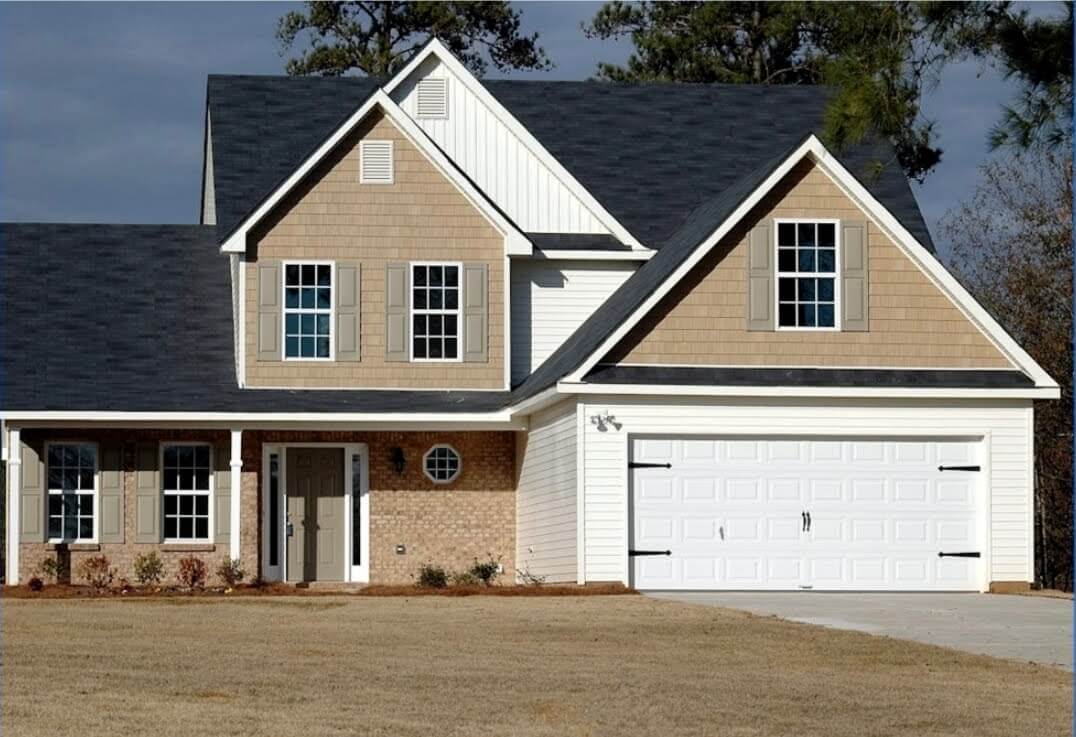
Building a new home is exciting, but it’s also one of the biggest financial decisions you’ll ever make. What many people don’t realize is that the choices you make before construction even begins can shape your comfort, costs, and lifestyle for years to come.
This isn’t about chasing perfection; it’s about making smart decisions early, so you don’t face expensive changes later. From energy savings to future-ready features, good planning protects your investment.
If you’re starting your build journey, this is your chance to get it right from day one and avoid the regrets that too many homeowners discover too late.
Think Long-Term Before You Think Floor Plan
The most effective approach to new home design? Work backwards. Imagine how you’ll actually be living in 15 or 20 years, not just your move-in excitement, and then build toward that life.
Three goals need to run in parallel: a comfortable home design, a functional home layout, and a home design for long-term value. Miss one, and you’ll feel it. Get all three right, and the house rewards you personally and financially, year after year.
For those building in Colorado Springs or along the Front Range, there’s a distinct set of factors at play: mountain-influenced weather patterns, dramatic seasonal shifts, and a real estate market that rewards quality.
Working early with an experienced Colorado custom home builder means those variables get baked into your site plan, structural systems, and design priorities from the start. Not grafted on later as expensive corrections.
Know What You Actually Need Before Anything Gets Drawn
Before your architect touches a pencil, sit down and map out a real week at home. Where do you spend your time? What frustrates you right now? What do you imagine wanting in ten years?
Grouping your priorities into four categories, Comfort, Convenience, Safety, and Future-Ready, keeps the wish list honest and the budget conversations grounded.
It’s easy to get swept up in beautiful finishes. Harder to remember that your daily life hinges on circulation flow, natural light, and whether your laundry is in a reasonable location.
The Upgrades Nobody Sees Are Often the Best Ones
Spend more on systems, less on surfaces. That’s the rule. Quality insulation, well-planned HVAC zoning, a robust electrical panel, and proper drainage do more for home design for long-term value than any kitchen cabinet upgrade ever will.
Finishes are easy to swap out later without opening walls. A bad HVAC layout is expensive to fix and annoying to live with.
Comfortable Home Design Goes Well Beyond Square Footage
Square footage is the least interesting measure of comfort.
What actually shapes how a home feels day to day? Light quality. Acoustics. Temperature consistency. Privacy. The way materials feel underfoot in January.
Solar Orientation and Natural Light
In Colorado, passive solar gain in winter is genuinely valuable, and so is managing summer heat without sealing off the views.
Deep overhangs, exterior shading, and thoughtfully placed clerestory windows can distribute natural light through a home without turning your living room into a greenhouse by 2 p.m.
This isn’t an aesthetic choice. It’s a comfort and cost decision wrapped together.
Air Quality and Thermal Comfort
Right-sized HVAC with zoning for different exposures matters far more than most buyers realize until they’re living in a house where one end is always too warm. Radiant floor heat in bathrooms and basements adds a layer of warmth that thermostats can’t replicate.
Ventilation, specifically, an ERV or HRV system paired with high-MERV filtration, matters because people spend approximately 90% of their time indoors. The air quality inside your home deserves the same attention as everything else.
A Functional Home Layout Supports Daily Life Without Fighting It
Great flow is invisible. Bad flow is something you feel every single day: the garage entrance that dumps directly into a living room, the laundry room that requires a full expedition, the kitchen that somehow always creates a traffic jam.
Circulation and the Small Decisions That Matter
A clear path from the garage through a mudroom drop zone into the kitchen isn’t glamorous, but it keeps clutter from quietly taking over your life.
Centralized laundry near bedrooms, instead of a remote basement, sounds minor until you’ve lived both. And keeping main pathways free of door swings makes the home easier to navigate now, and significantly easier to adapt later.
Quiet Zones Versus Active Zones
Separating bedrooms and home offices from the kitchen and living areas is one of the highest-impact layout decisions you can make.
Pocket spaces tucked off main living areas handle reading, homework, or hobby work without eating up an entire dedicated room. Thoughtful zoning isn’t about luxury. It’s about not going insane.
Kitchens, Bathrooms, and Flex Rooms Worth Getting Right
The best features for new house kitchens are functional ones, oversized islands with seating and power, walk-in pantries, and deep pull-out drawers that actually hold what you own. These new home design features carry daily satisfaction and serious resale weight.
In bathrooms, zero-threshold showers, blocking for future grab bars, and non-slip tile address both the spa feeling you want now and the long-term safety you’ll appreciate later.
And home offices? After dipping from 2023 to 2024, dedicated office space rebounded to a priority for 51% of prospective buyers in 2025. Strong wiring, acoustic separation, and natural light are no longer optional extras.
| Feature Category | Day-One Benefit | Long-Term Value |
| High-performance envelope | Lower utility bills | Stronger resale appeal |
| Flexible flex/office room | Remote work support | Adapts across life stages |
| Zero-threshold shower | Spa-like experience | Aging-in-place ready |
| EV-ready garage | Future-proof convenience | Meets buyer expectations |
| Smart thermostat + zoning | Daily comfort control | Energy cost savings |
Building a Feature Roadmap That Actually Works
Sort everything into three buckets: what must be in the structure now, what’s smart to rough-in during construction, and what can genuinely wait. Solar-ready roof framing, EV charger conduit, and extra panel capacity cost almost nothing at framing. The same upgrades retrofitted into finished walls? Significantly more painful.
Frequently Asked Questions
1. Which new home design features deliver the strongest long-term resale value?
Energy efficiency improvements, quality windows, flexible floor plans, and well-designed kitchens and bathrooms consistently lead the list, because they appeal broadly rather than to a narrow taste profile.
2. What smart home features are better to build in than add later?
Structured cabling, EV charger conduit, smart thermostat wiring, and security rough-ins cost a fraction during construction compared to retrofitting through finished surfaces. Build them in.
3. Which aging-in-place features make sense even for younger buyers?
Step-free entries, wider doorways, main-level bedroom and bath options, grab bar blocking, and lever-style hardware add minimal upfront cost, and meaningfully protect long-term livability for whoever lives there.
Lasting Loving Homes
A home that genuinely delivers on comfortable home design, a functional home layout, and home design for long-term value isn’t just a pleasant place to live.
It’s a genuinely smart financial decision. The best features for a new house are the ones matched to your specific lifestyle, your climate, and the way your life is realistically going to unfold.
Get those decisions right before breaking ground, work with people who understand your region and your goals, and the home will reward you, quietly, reliably, every single day you’re in it.
You May Also Like:
Essential Structural Elements Every Homeowner Should Understand
Furniture Experiences Built Around Real Homes

Emma Rose is the founder of TryHardGuides.co.uk and a senior content strategist specializing in lifestyle, personal development, and digital entrepreneurship. With a focus on evidence-based living, she produces actionable content designed to help readers make informed life decisions and navigate the evolving tech-lifestyle landscape. As the editorial lead, Emma oversees the site’s mission to provide trustworthy, high-authority information. Her work reflects a commitment to personal growth, transparency, and the pursuit of a well-balanced, informed life.